What Do You Need to Produce?
Start with your end product, not the machine. We'll match your application with the right roll forming line — single machine or complete turnkey setup.
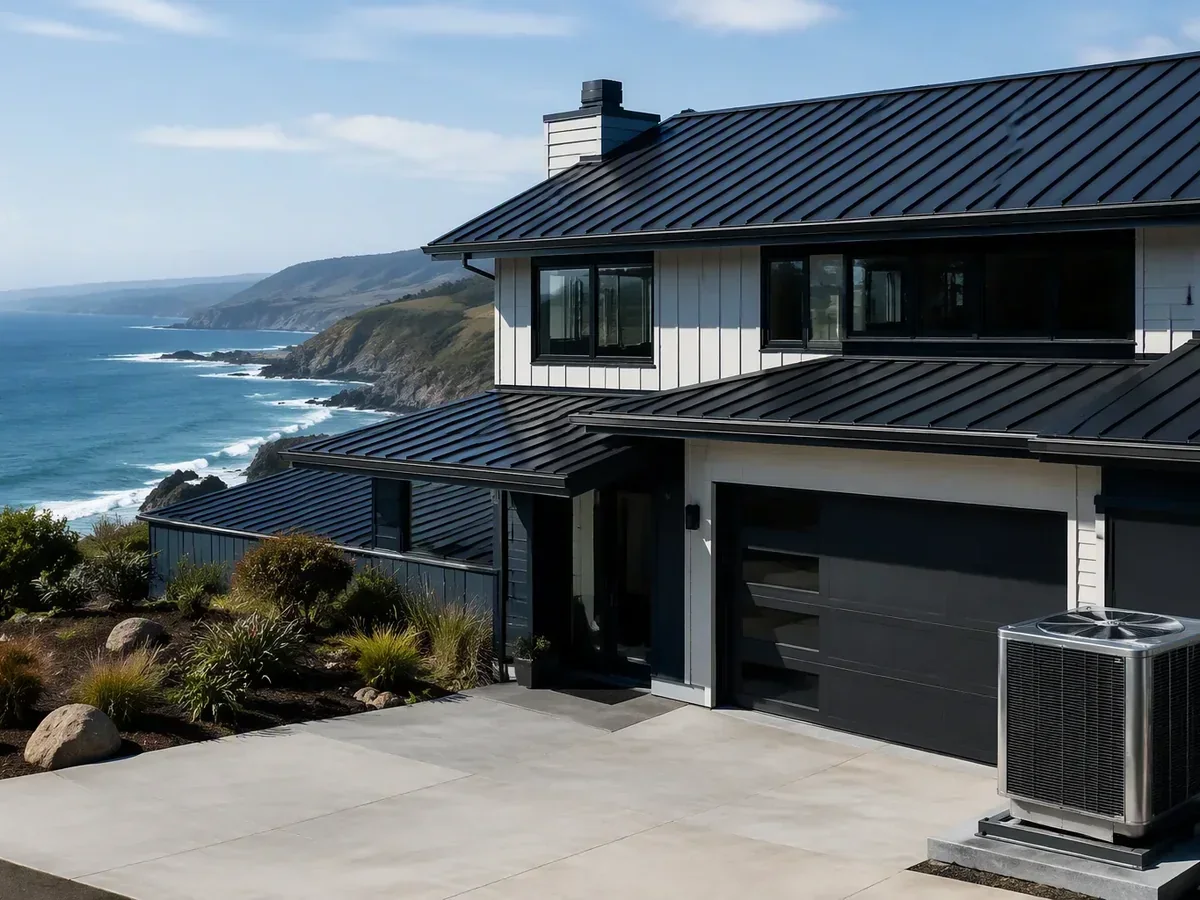
Metal Roofing
4 machines · complete line options
Explore machines →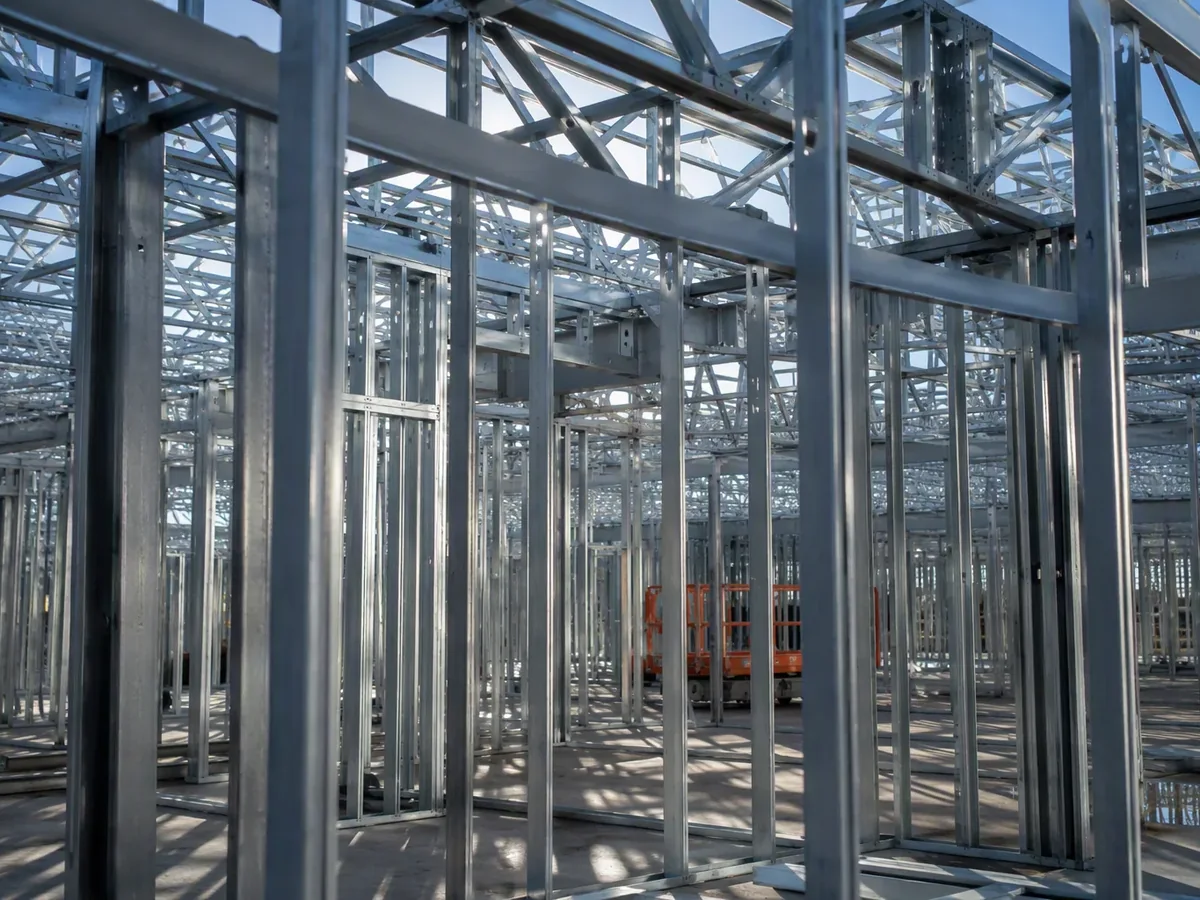
Light Steel Framing
6 machines · complete line options
Explore machines →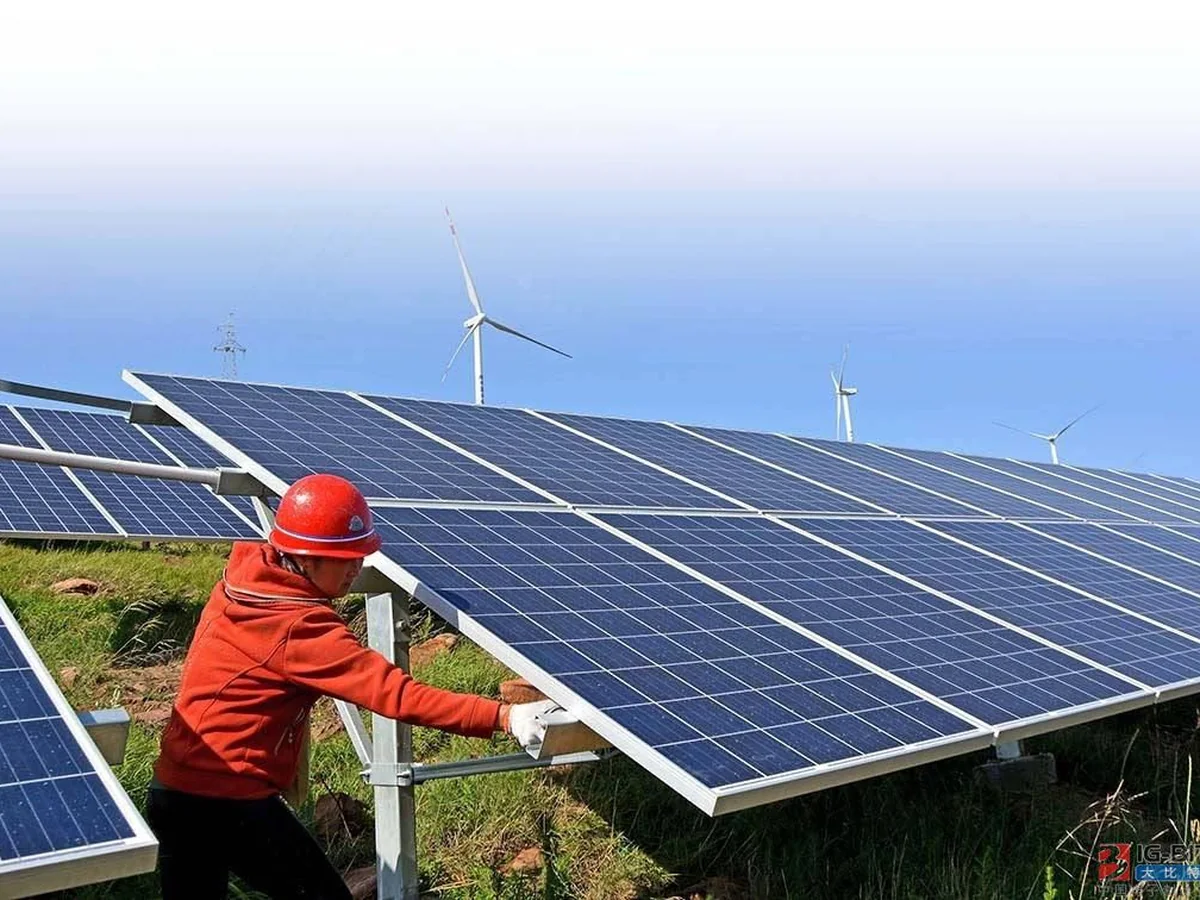
Solar Mounting
3 machines · complete line options
Explore machines →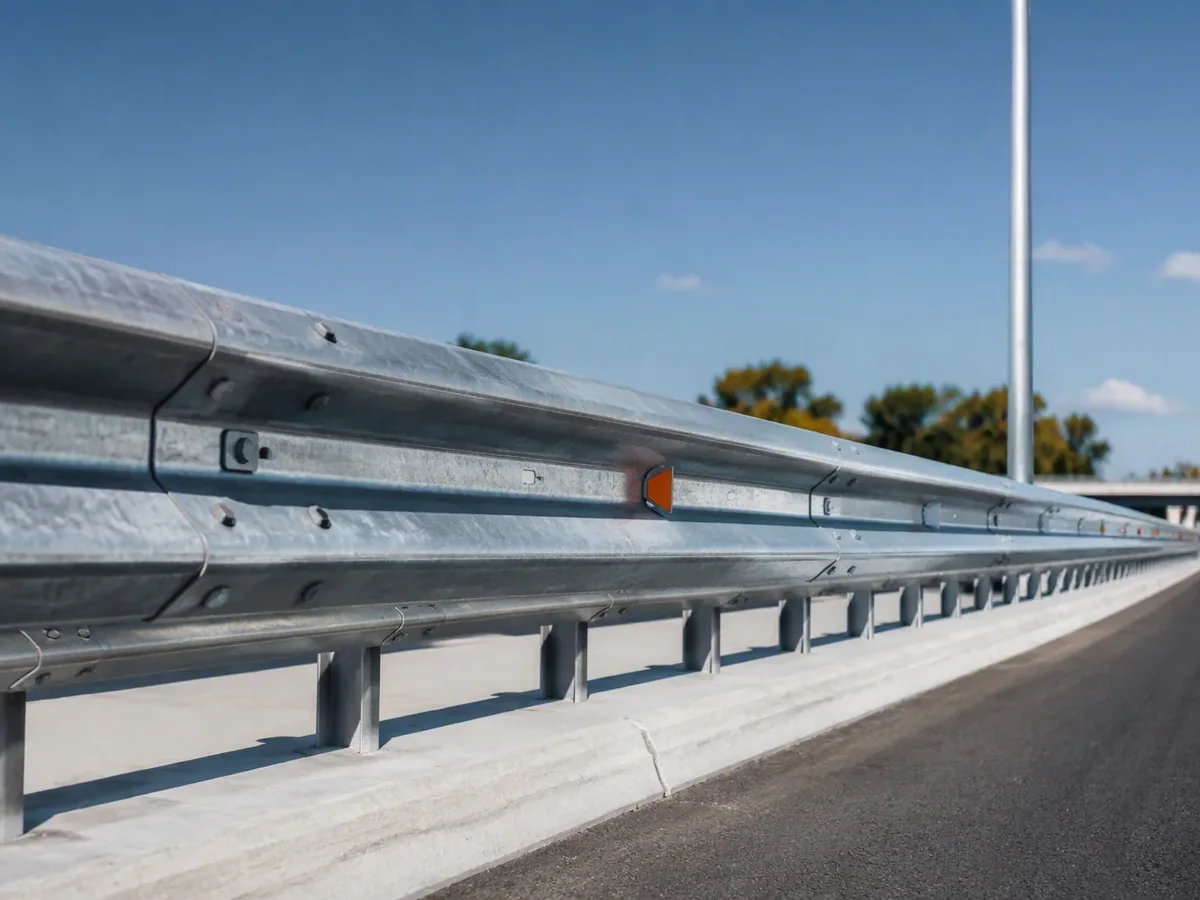
Guardrail & Barrier
4 machines · complete line options
Explore machines →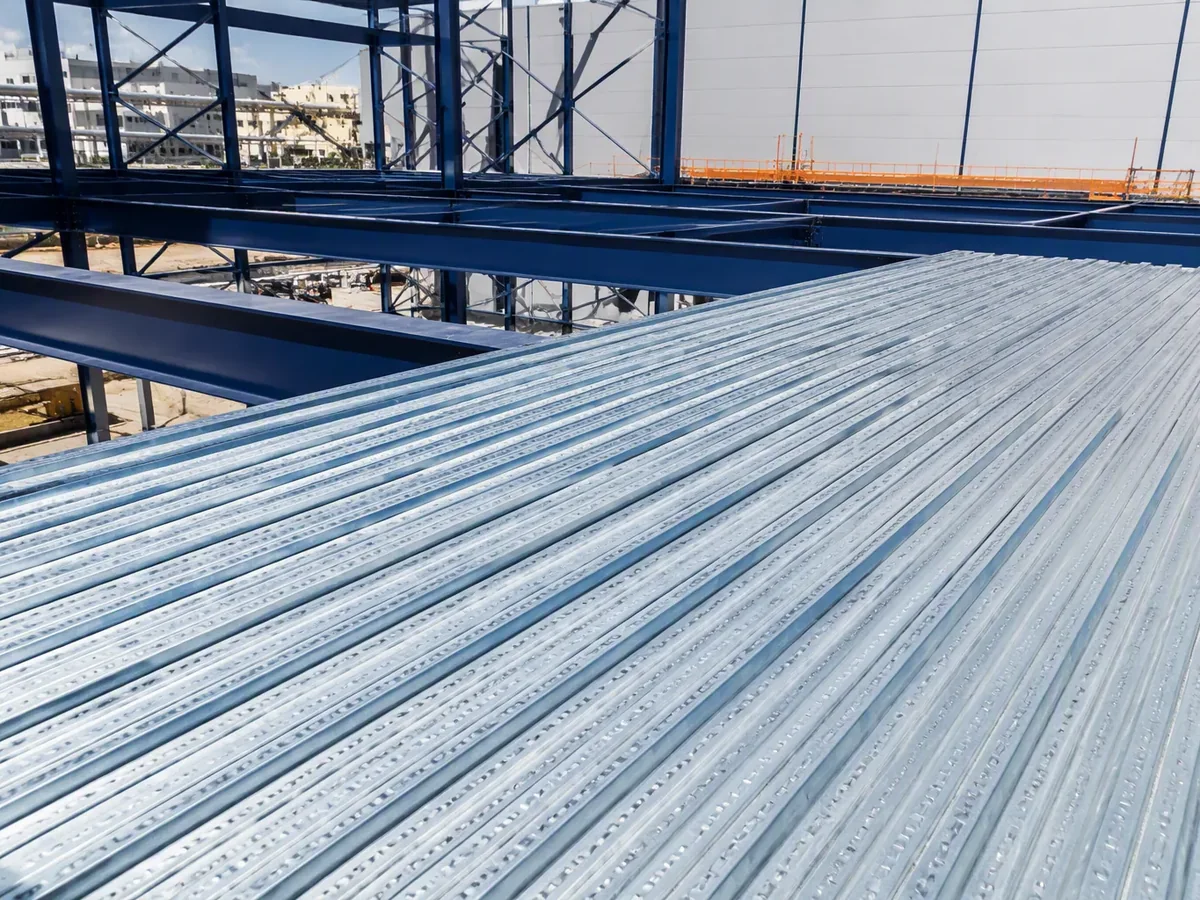
Floor Decking
1 machine · complete line options
Explore machines →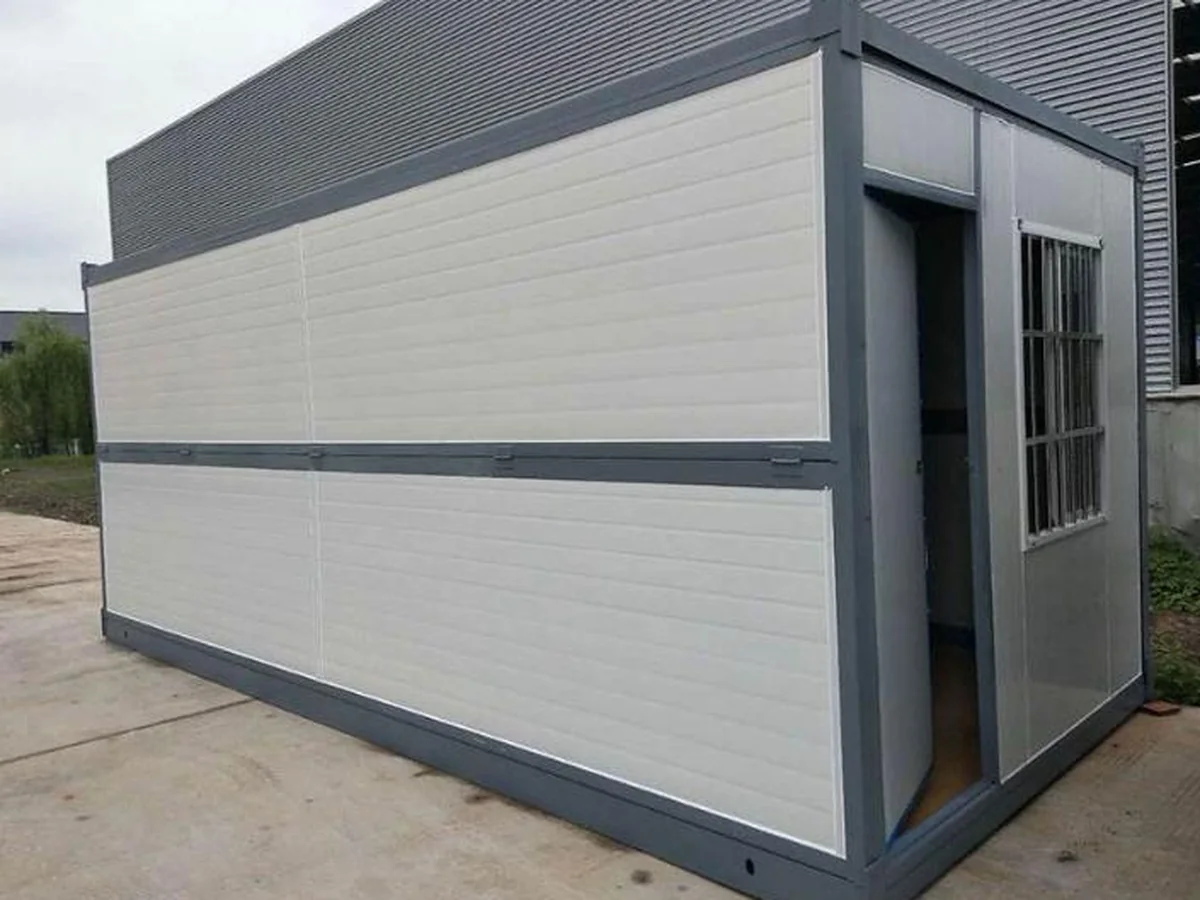
Sandwich Panel
2 machines · complete line options
Explore machines →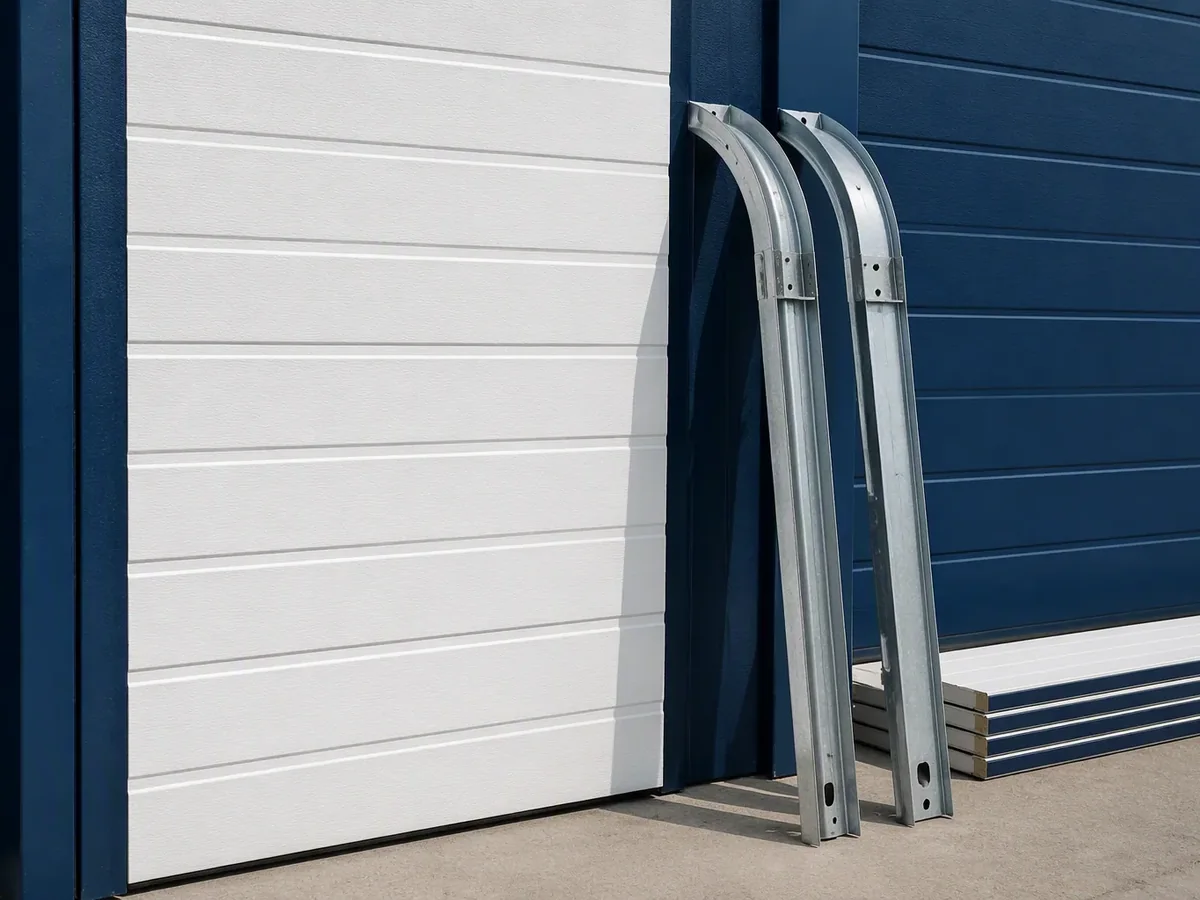
Door & Shutter
2 machines · complete line options
Explore machines →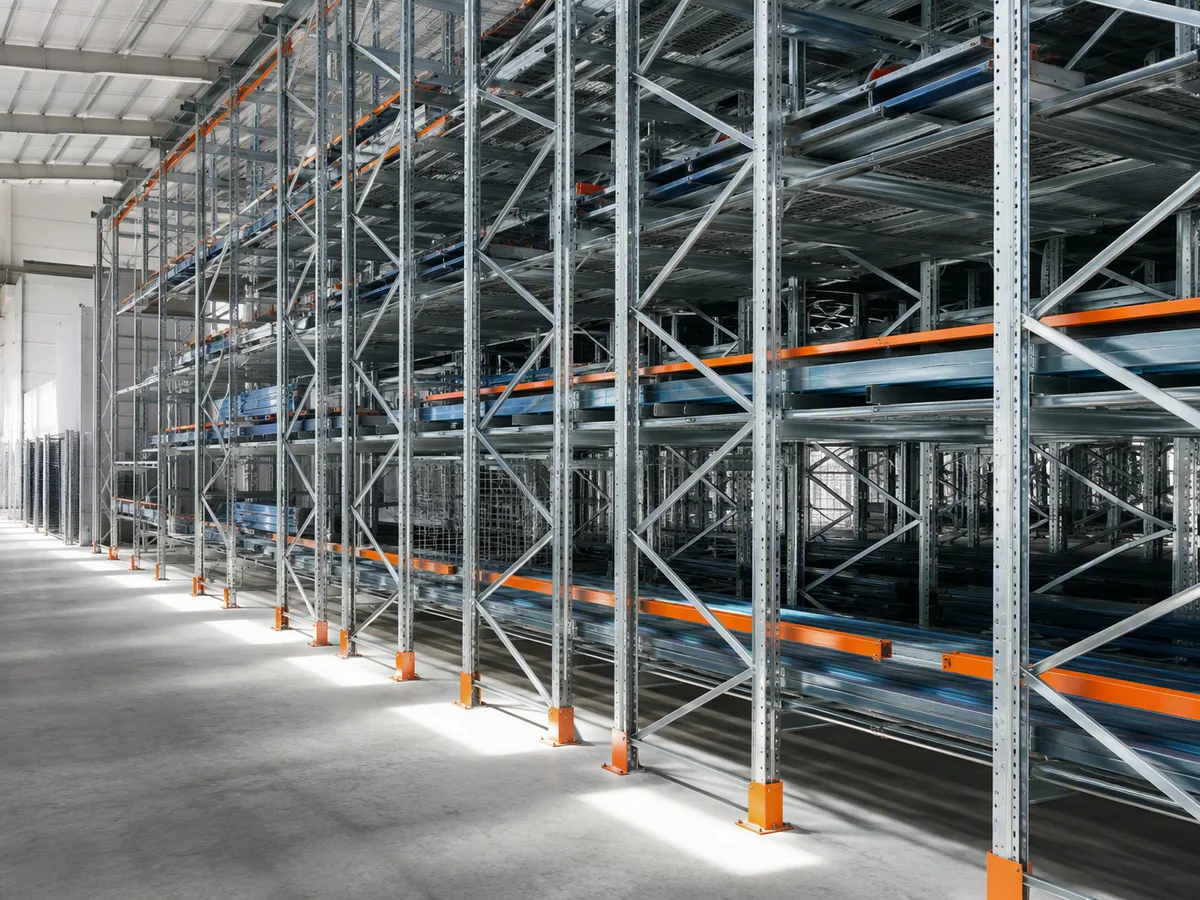
Storage Racking
3 machines · complete line options
Explore machines →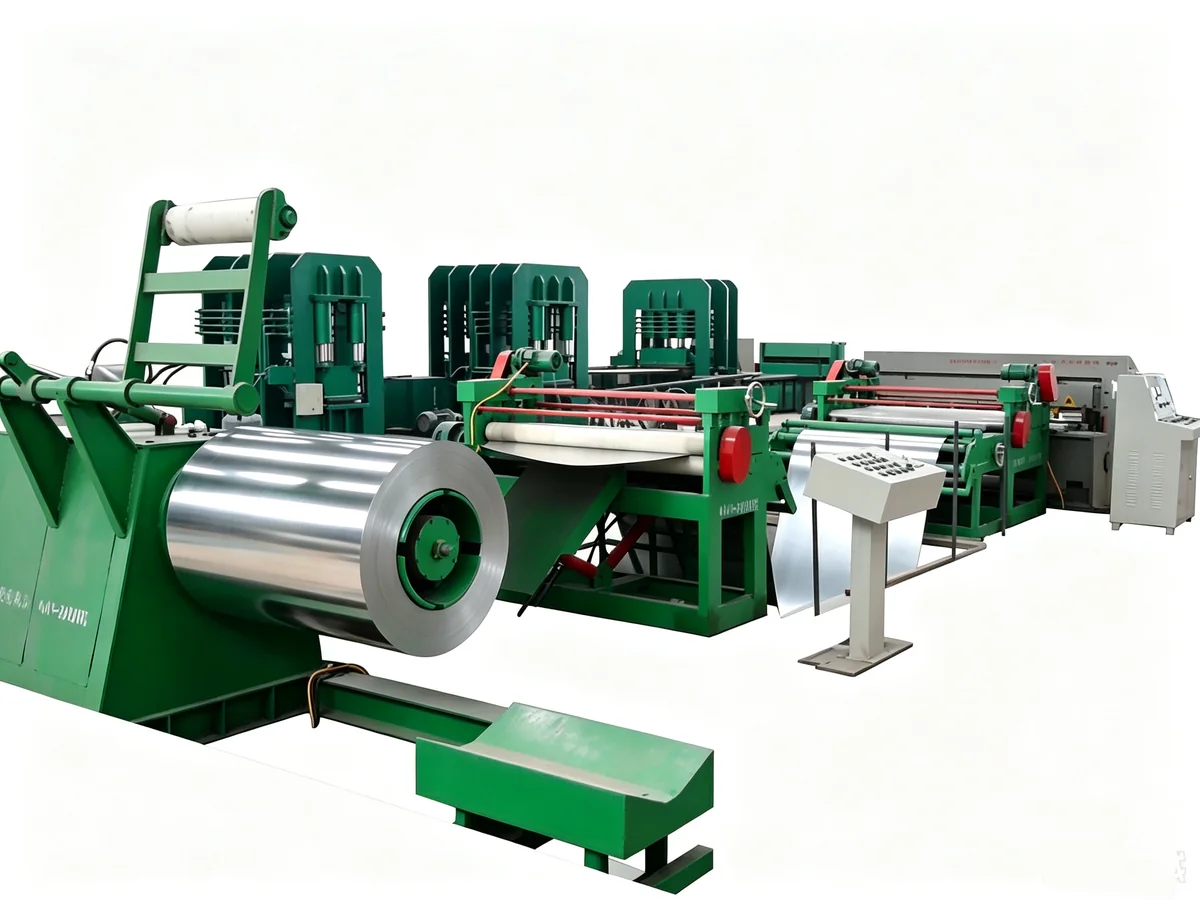
Auxiliary Equipment
4 machines · complete line options
Explore machines →Most buyers arrive knowing the product they want to make and not the machine that makes it — which is the right way round. A machine name is the answer, not the question: the same described product can need a markedly different line depending on the section geometry, the material and the market it is sold into.
So this page starts from the end product. Pick the group closest to what you produce, and each one leads to the machine types that make it, with the specifications behind them. If nothing fits exactly, send the drawing — the nine groups cover most of what roll forming is used for, but they are not a closed list.
What Actually Decides the Machine
For each application group, the single factor that moves the specification most. Thickness ranges live on the individual machine pages, so there is one source of truth rather than two.
| Application | Typical end product | What decides the machine |
|---|---|---|
| Metal roofing | IBR, corrugated, standing seam, tile-effect sheets | The number of bends in the sheet profile |
| Light steel framing | Purlins, studs, tracks, sigma and ceiling sections | The web depth range you quote from |
| Solar mounting | Strut channel, omega rails, PV brackets | Slot pattern and whether slotting is inline |
| Guardrail & barrier | W-beam highway guardrail, noise barrier panels | The crash-test section you are certified to make |
| Floor decking | Composite and deep-rib profiled steel deck | Deck depth and the re-entrant dovetail geometry |
| Sandwich panel | PU, EPS and rock wool insulated panels | Line speed and whether foaming is continuous |
| Door & shutter | Roller shutter slats, steel door frames, garage panels | Slat interlock geometry and end-capping |
| Storage racking | Rack uprights, beams, shelf panels | Perforation pattern and upright perforation pitch |
| Coil handling | Decoilers, levelers, slitting and cut-to-length | Coil weight, and whether you slit or cut to length |
How to Turn Your Product Into a Machine Spec
Six decisions, in the order they should be made. Getting the sequence wrong is what produces quotes that cannot be compared.
- Start from the finished section, not the machine name
- “I need a roofing machine” is not a specification — a corrugated shed sheet and a standing seam roof panel are both “roofing”, and they need different numbers of forming stations, different machine lengths and different prices. Send the section drawing or a sample cut-length and the machine spec follows from it.
- Decide single machine or complete line
- A forming machine on its own assumes you already have a decoiler and a way to handle the finished profile. A complete line adds the decoiler sized to your coil, a leveling unit if your coil arrives with retained set, and a runout table — matched in speed and tension, so one supplier owns the result.
- Let the profile decide the station count
- Every bend in the section needs forming passes. A simple ribbed sheet needs far fewer stations than a closed standing seam with a folded lock; the station count is what drives machine length, drive power and price. This is also why quoting a profile from a photo is guesswork and quoting from a drawing is not.
- Let the material decide the drive and the rollers
- Thickness and yield strength set the drive power, the frame stiffness and the roller material. Standard rolls cover a wide range of commercial steels; higher-yield grades need harder tooling. Tell us the grade as well as the thickness — a machine sized on thickness alone can be under-specified.
- Let your output target decide speed and automation
- Speed is a production decision, not a quality one. Faster is not automatically better: heavy or high-tensile sections wear tooling faster at high speed. What usually pays back sooner than extra speed is programming — a length list with a batch counter, so the line runs mixed cut lengths without stopping.
- Let your market decide the profile convention
- The same product has different conventional profiles in different markets — gutter styles, purlin sections and roofing profiles all follow local practice. If you sell into more than one market, say so at the order stage: interchangeable cassettes let one base machine cover several profiles instead of one machine per market.
Choosing a Machine by Application
I know my product but not the machine — where do I start?
Send the section drawing, or a short cut-length of the finished product, plus the material and thickness and the coil weight you buy. From that we identify the machine type, the forming station count and whether you need a single machine or a complete line. Starting from the product rather than a machine name is how you avoid buying more machine than the job needs — or less than it needs.
How do I know whether I need a single machine or a full line?
It depends on what you already have and who you want to hold responsible. A single forming machine suits a producer who already runs a decoiler and has a way to handle finished profiles. A complete line — decoiler, optional leveling unit, forming machine, runout — is matched in speed and tension by one supplier, which removes the argument about which unit caused a problem.
Can one machine cover several of these applications?
Sometimes, and only where the sections are genuinely related. Sections in the same family share a base frame and can run on interchangeable cassettes; unrelated products cannot share tooling at all. The honest test is whether the profiles share a forming philosophy — purlin variants can, while gutter and roofing cannot.
What does the profile drawing actually tell you?
It sets the forming pass schedule: how many stations, where each bend is placed, and what strip width the coil has to be before forming. It also determines the punching pattern, the cut-off arrangement and the machine length. This is why a profile quoted without a drawing is a placeholder — the same described product can differ by several stations between two markets.
Do you build for local standards in my market?
Yes — section conventions differ between markets, and the line is built for the section you actually sell. If you supply more than one market from one factory, interchangeable cassettes on a single base machine are usually cheaper than separate machines. Tell us the markets at the order stage rather than after the tooling is cut.
What if my product is not listed here?
The nine groups on this page cover the bulk of what roll forming is used for, but they are not a closed list — if your section is a continuous metal profile, it is very likely formable. Send the drawing and we will tell you whether it is a roll forming job, and if it is not, say so rather than quote you a machine that will not do it well.