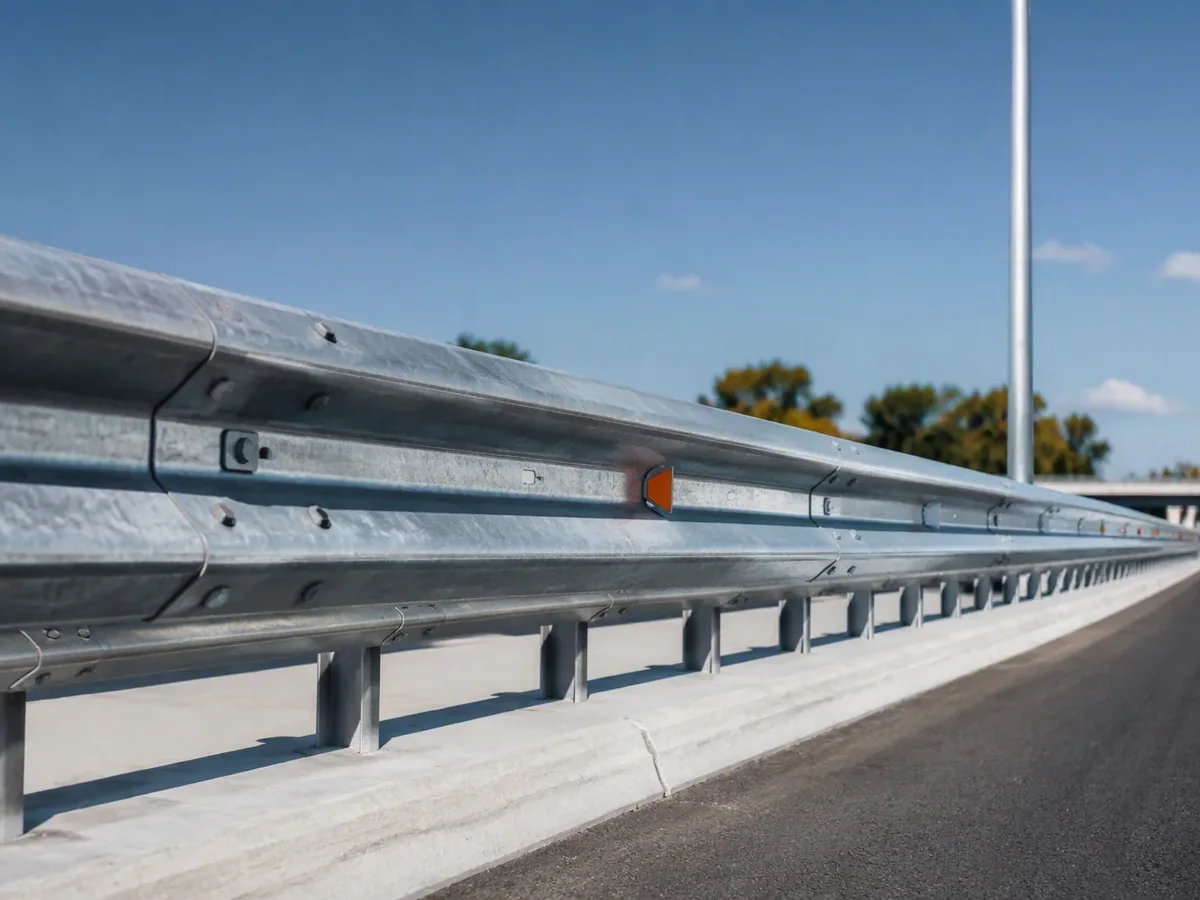
Guardrail & Barrier Roll Forming Machines
Highway safety barrier production lines: W-beam guardrail, thrie-beam, noise barrier and fence panels.
Highway safety barriers — guardrails, thrie-beam and noise barrier panels — are safety-critical infrastructure components produced almost exclusively by cold roll forming.
The W-beam guardrail profile is one of the most widely standardised roll-formed products in the world: a single profile geometry, defined by EN 1317-2 in Europe and ASTM M180 in North America, installed on hundreds of thousands of kilometres of highway in every country.
For a roll forming producer with the right machine class and tooling, guardrail production represents a high-volume, consistently specified market with significant barriers to entry.
The W-Beam Guardrail Profile
W-beam guardrail takes its name from the W-shaped cross-section, which provides the bending resistance needed to redirect an errant vehicle without allowing the beam to buckle or fracture.
The standard output length is 4,320 mm under EN 1317-2, or 3,810 mm for ASTM M180. The beam is formed from 3.0 mm (EN) or 2.67 mm (ASTM) steel coil — heavier than most roofing or framing products.
This heavier material requirement directly affects the machine specification: a guardrail line needs a heavier gearbox, higher-capacity bearings, a more substantial cutting die, and a decoiler rated for 5–10 T coil weights.
After forming, each beam section is hot-dip galvanised to the zinc coating weight specified in the relevant standard — typically 85–120 µm — at a specialist galvanising plant.
Key Machine Features for Guardrail Production
A guardrail roll forming line has several features that distinguish it from lighter-duty lines. The inline hydraulic punch creates the bolt holes at 800 mm pitch (EN standard) or to the customer specification. Hole position accuracy is critical: holes that are out of position prevent the beam from connecting correctly to the post hardware, and a highway contractor will reject out-of-tolerance sections. The hydraulic die-cut press at the exit end must cut cleanly through 3.0 mm steel without leaving a burr that would damage site workers or the galvanising mask. The runout table must support the full 4,320 mm section as it exits the shear — a minimum supported length of 5 m — with roller or ball-type surfaces that do not scratch the steel surface before galvanising.
Thrie-Beam and Specialty Barrier Profiles
The thrie-beam (three-wave) profile is a deeper and stronger version of the W-beam used in high-containment locations: bridge approaches, median barriers, and roadside locations where vehicle types include heavy trucks.
Thrie-beam requires different roll tooling but can often be produced on the same base frame as W-beam with a roll cassette change, making it a viable addition for a producer who wants to serve both segments of the highway barrier market.
Noise barrier panels are formed from 0.8–2.0 mm steel or aluminium and perforated to specific open-area ratios for acoustic absorption. They are often sold by the same producers who supply guardrail because the customer — typically a national roads authority or a major contractor — procures both together.
Market Structure, Procurement and Certification
Guardrail is procured through government highway authorities, state road corporations and large civil contractors — not through distribution.
The sales process involves tendering, pre-qualification, specification compliance documentation and longer payment terms.
The upside is that contracts are larger, repeat orders are predictable, and competition is limited to producers who have invested in the correct machine class.
Entry into the guardrail market requires not only the right machine but the right certifications: EN 1317-2 compliance requires third-party crash test certification of the complete barrier system, while ASTM M180 is a dimensional and material standard that the beam producer can self-certify against.
Understanding which standard your target market requires is the first step before specifying any machine.
Machines for This Application
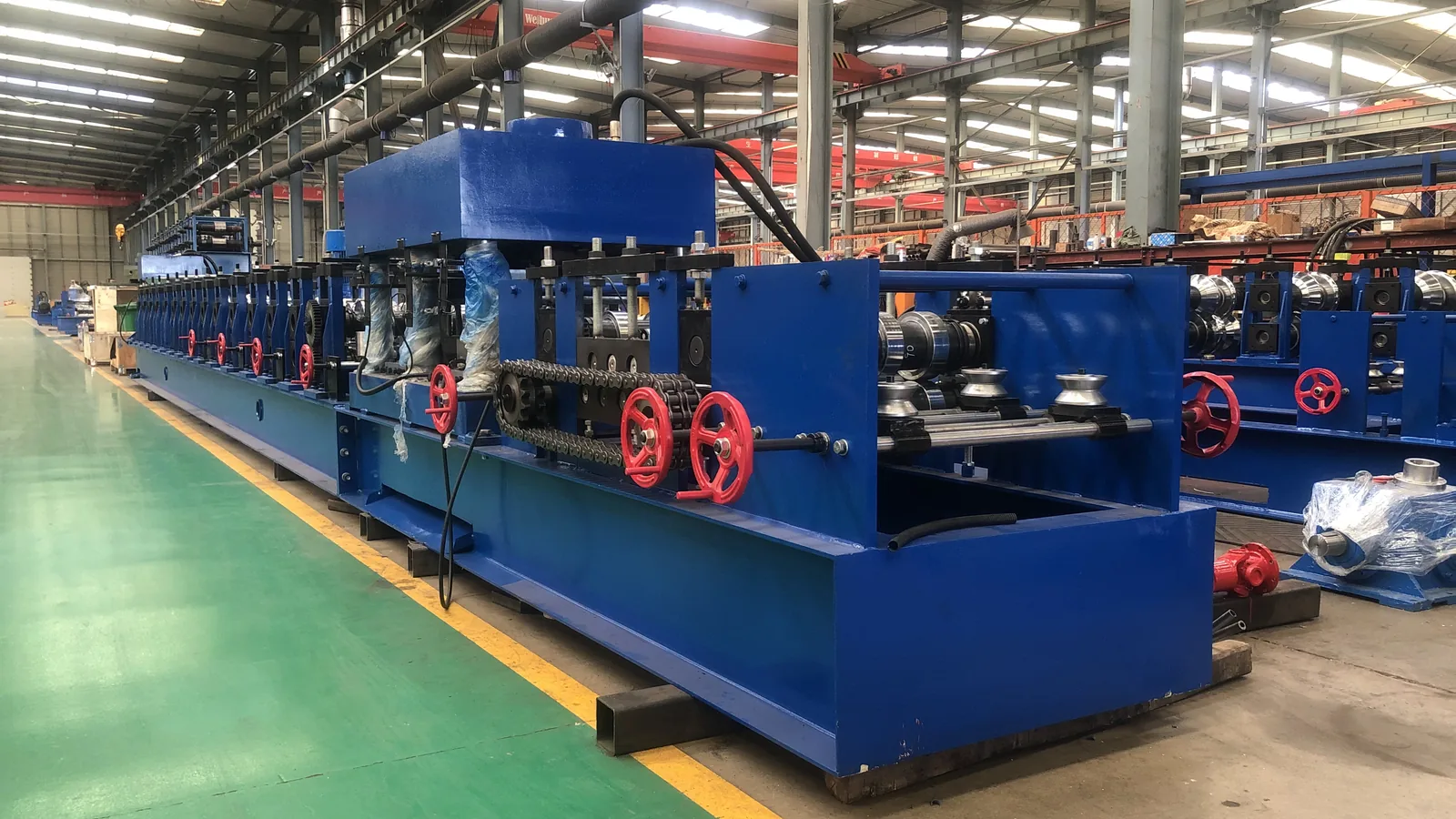
W-Beam Guardrail Machine
EN1317 / ASTM M180 compliant, 4320 mm output length
View specs & pricing →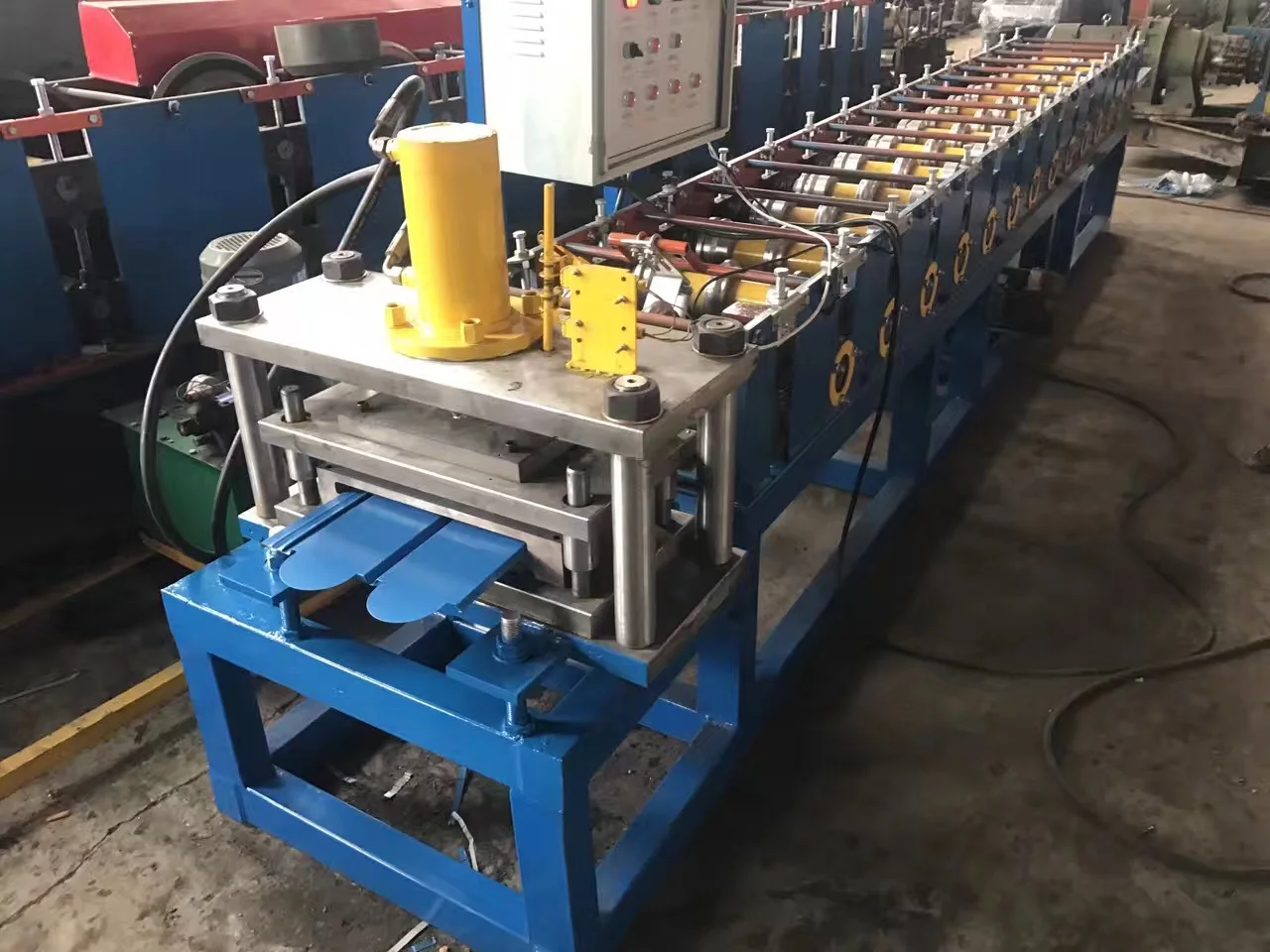
Fence Panel Roll Forming Machine
Palisade pales and rails for perimeter security fencing
View specs & pricing →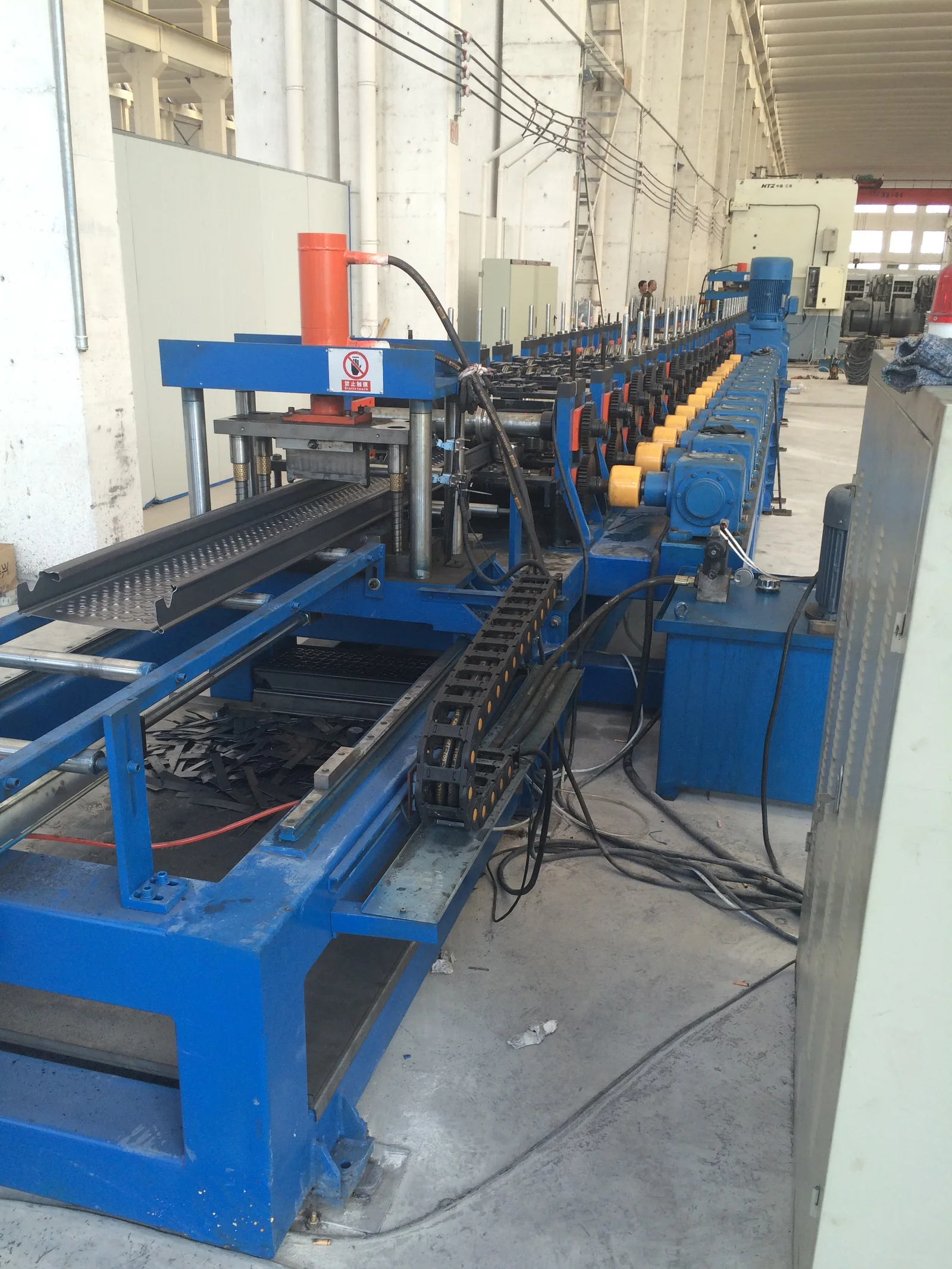
Scaffold Plank Line
Anti-slip steel walkway planks, formed and perforated in one pass
View specs & pricing →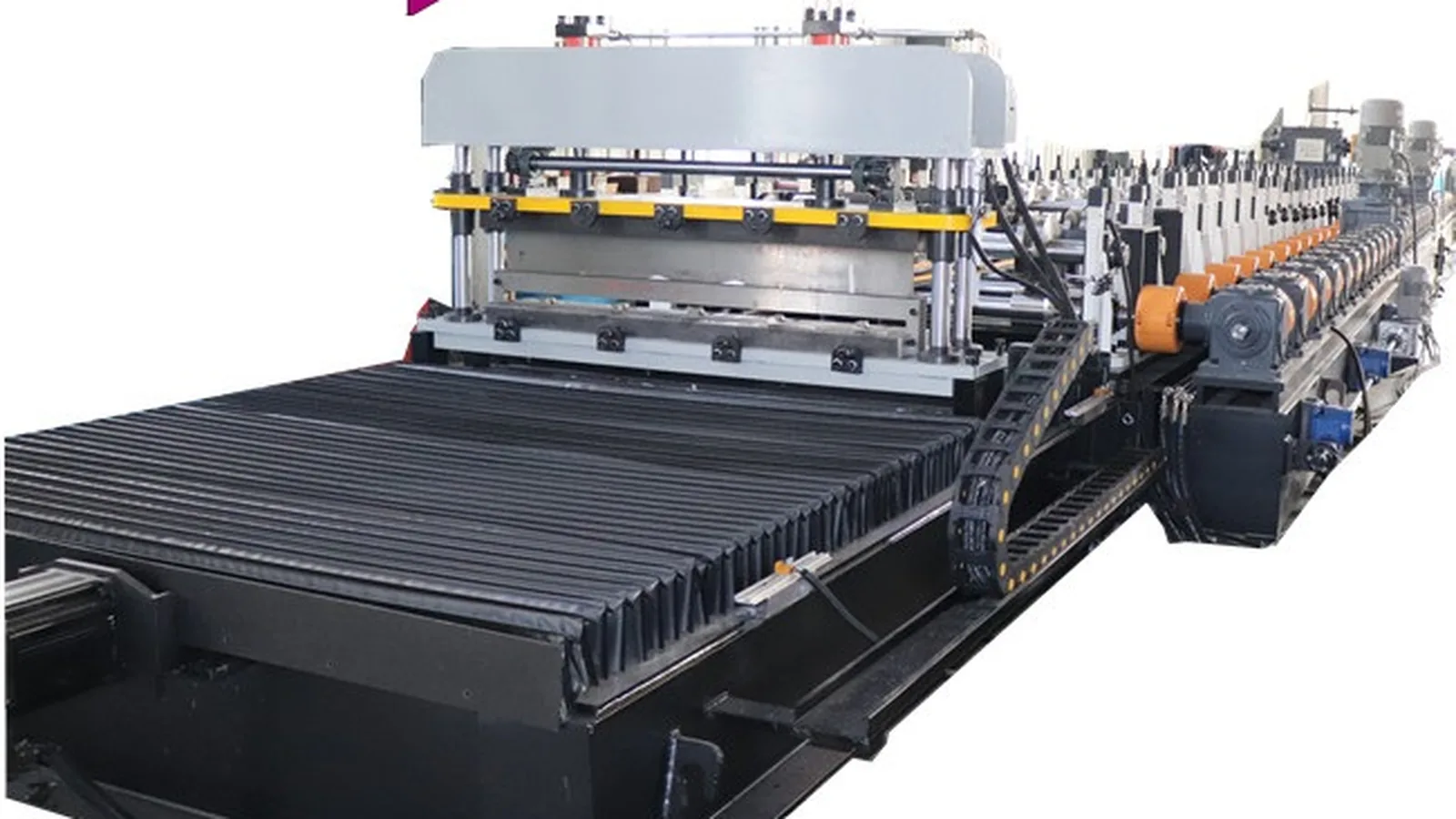
Sound Barrier Panel Machine
Perforated acoustic panels for highway and railway noise walls
View specs & pricing →Typical Production Line Setup
| Component | Role | Necessity |
|---|---|---|
| Hydraulic decoiler | Handles 5–10T galvanized coil | Must-have |
| Leveling unit | Critical for straightness of 4 m sections | Must-have |
| Roll forming machine | 16–20 stations, heavy-duty gearbox drive | Must-have |
| Inline punch unit | Bolt holes at 800 mm pitch | Must-have |
| Hydraulic die-cut press | Cuts thick section cleanly | Must-have |
| Runout table | Supports 4320 mm finished sections | Must-have |