Auxiliary Equipment
Decoilers, levellers and supporting equipment for complete roll forming lines.
Auxiliary equipment is everything in a forming line that is not the forming machine itself: the decoiler at the front, the leveling unit that conditions the strip, the slitting line that prepares coil to width, and the truss purlin line — which sits in this group because of who buys it rather than what it does.
It is worth reading this group before choosing a forming machine, because the front end decides the quality of everything downstream. A coil that goes into the rolls still carrying coil set or cross-bow comes out as a bowed profile no matter how good the forming section is, and that is far cheaper to solve at the decoiler than to correct later.
Coil Handling and Line Support Equipment
All models available with matched decoiler, leveling unit and runout table as a complete line.
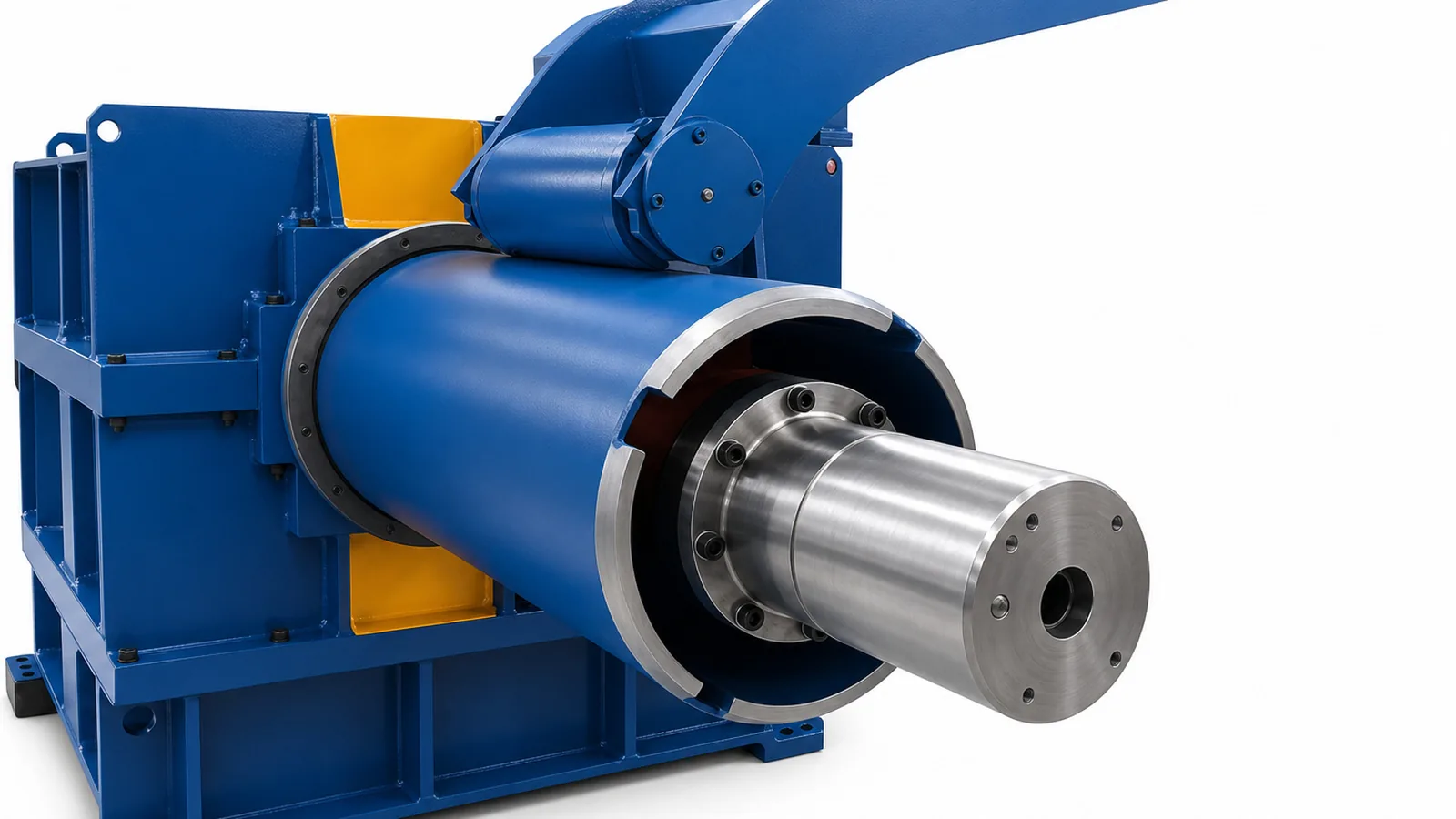
Hydraulic Decoiler
3 T / 5 T / 10 T single or double-head decoilers with tension-controlled brake
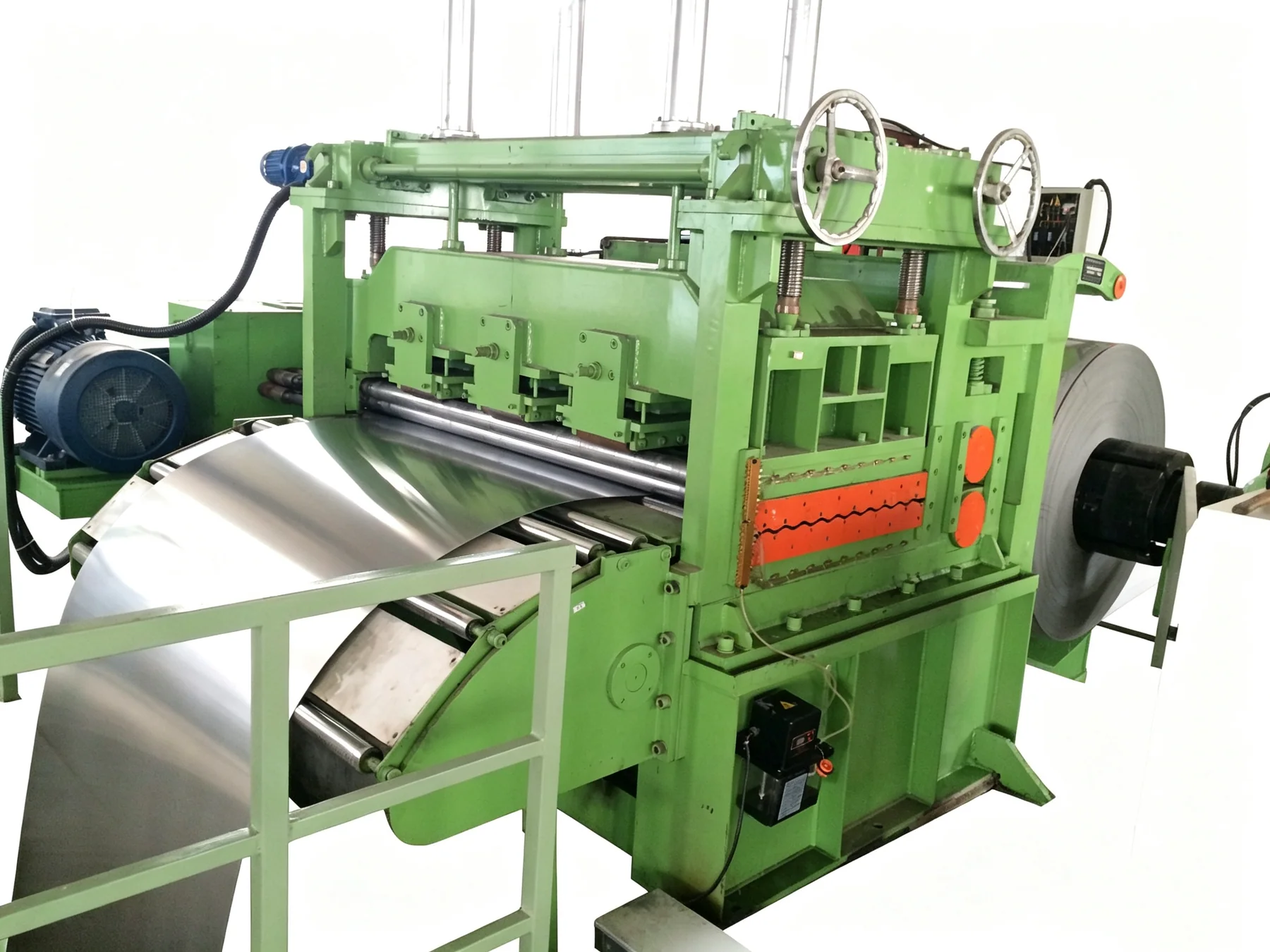
Decoiling & Leveling Machine
Combined decoiler and 7/9/11-roller leveler — removes coil set and cross-bow
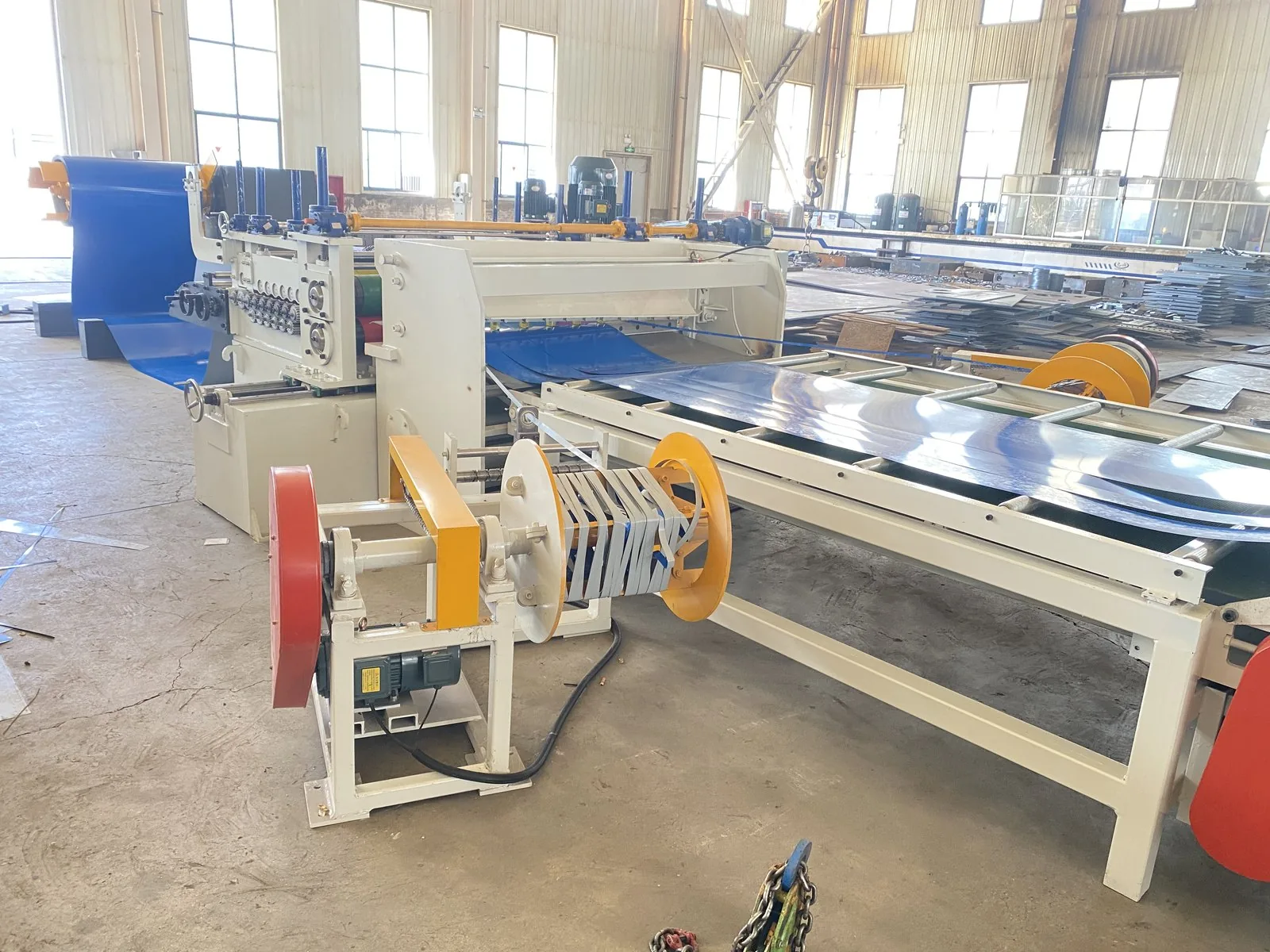
Steel Coil Slitting Line
Cut master coil to the exact widths your lines need, down to 20 mm
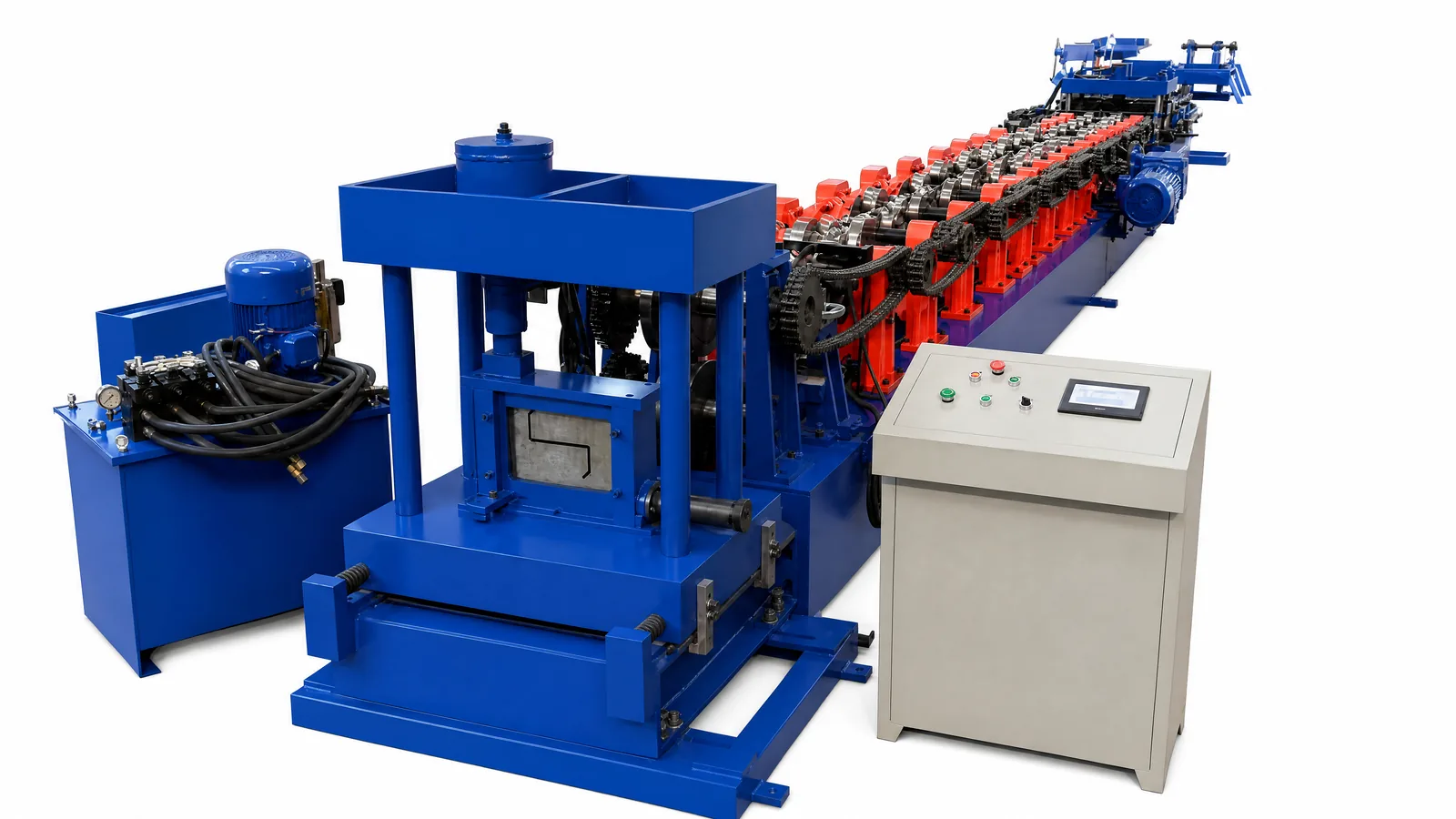
Truss & Roof Purlin Machine
Triangulated truss purlin sections for long-span roofs, 100–400 mm depth
How to choose auxiliary equipment
- What coil weight do I actually buy?
- Standard coil is supplied at 3–5 tonnes, which is why most roofing and framing lines run a 3 T or 5 T decoiler. Guardrail and heavy purlin lines deal in 5–10 T, because the material is thicker and the coil is heavier. Size to the coil you can source, not to a round number.
- Do I change coil often enough to need two heads?
- A double-head decoiler carries two coil positions, so you load the next coil while the first is still running and change over without stopping the line. That saves roughly 10–20 minutes per coil change — clearly worth it on a line running continuously, much less so on one that changes coil once a shift.
- Does my coil arrive with edge damage?
- Coil that has travelled by sea commonly has crushed edges on the outer wraps. A decoiler will still uncoil it, but the damage carries into the finished profile unless there is a leveling unit in the line. If you buy export coil, plan the leveler as part of the specification rather than an option.
- Is my problem coil set, or coil that is the wrong width?
- Two different problems with two different answers. Coil set and cross-bow are removed by a leveling unit — seven rollers is the usual minimum for thin sheet. Cutting master coil down to the widths your lines need is a slitting line, which only pays above roughly 300–500 tonnes a year or where a service centre cannot supply the widths reliably.
- How many different widths do I run?
- Every width you buy in from a service centre carries a slitting margin, and if you run several widths you pay that margin repeatedly. A slitting line turns one master coil inventory into all of them, which also cuts your own stock holding. On a standard arbor line it cuts down to about 20 mm.
- Do I already run a purlin line?
- The truss purlin machine is a second-stage purchase for producers who already make C and Z purlins and want to quote longer roof spans. Per metre it costs more than a plain purlin because of the assembly step, but per unit of span it can beat a heavier single section. It is rarely the right first machine.
Auxiliary equipment compared
| Equipment | What it does | Typical range | When to add it |
|---|---|---|---|
| Hydraulic decoiler | Holds the coil and pays it off under controlled back-tension | 3 / 5 / 10 T · coil width up to 1300 mm | On every line — sized to the coil weight you actually buy |
| Decoiling & leveling machine | Removes coil set and cross-bow from the strip before forming | 0.3 – 4.0 mm · 7 / 9 / 11 rollers | When coil retains its set, or after sea freight with edge damage |
| Steel coil slitting line | Cuts master coil down to the widths the lines need | Slit width down to 20 mm · coil up to 10 T | Above roughly 300 – 500 t per year, or where widths are hard to source |
| Truss & roof purlin machine | Forms triangulated chords for long-span roof members | 1.5 – 3.5 mm · section depth 100 – 400 mm | After a CZ purlin line, when you want to quote longer spans |
What to fix before you order
Size the decoiler to your coil supply, not to the machine it feeds
A decoiler that is too small for the coil you can buy locally will stop the whole line, whatever the forming machine is capable of. Standard coil is 3–5 tonnes, so 3 T and 5 T cover most roofing and framing lines; step up to 10 T only when your material and your coil supplier justify it.
A coil car stops being optional above 5 tonnes
Loading a heavy coil onto the mandrel with a forklift alone puts the load on the mandrel and the coil edge, and both are easily damaged. At 3 T a coil car is genuinely optional; above 5 T it is standard practice.
Brake tension is the specification nobody asks about
Without controlled back-tension the coil over-runs, the strip goes slack, and the loop jumps or kinks — which shows up as inconsistent profile lengths rather than as an obvious fault. A band brake with tension control holds constant back-tension as the coil diameter falls.
Leveling is cheaper than correcting a bowed profile
If you run export coil or high-tensile steel, the leveling unit belongs in the specification from the start. Seven rollers covers thin sheet; nine or eleven are used above about 2 mm, and for higher-tensile material where more reverse bending cycles are needed to remove the set.
A slitting line is a volume decision, not a quality one
The case for slitting is economic: it removes the service centre margin on every tonne and lets one master coil become every width you run. Below roughly 300–500 tonnes a year, or with only one or two widths, capital cost and knife maintenance usually outweigh the saving.
Specify auxiliary equipment as a line, not as separate parts
The decoiler, leveler and forming machine run as one control system — tension, speed and loop have to stay synchronised. Whether the units are separate or combined, buy them together so the signals and speeds match, rather than adding a unit to an existing line afterwards.