Light Steel Framing Roll Forming Machines
Cold-formed steel sections for structural framing: purlins, studs, tracks, sigma beams and ceiling grids. ZTRFM supplies single machines and complete matched lines.
Light steel framing (LSF) has grown from a niche alternative to timber framing into a mainstream construction method used in residential, commercial and industrial buildings worldwide. The cold roll forming machines that produce LSF components — C and Z purlins, studs, tracks, sigma beams and ceiling grids — are among the most commercially important products in the roll forming industry.
What Is Light Steel Framing?
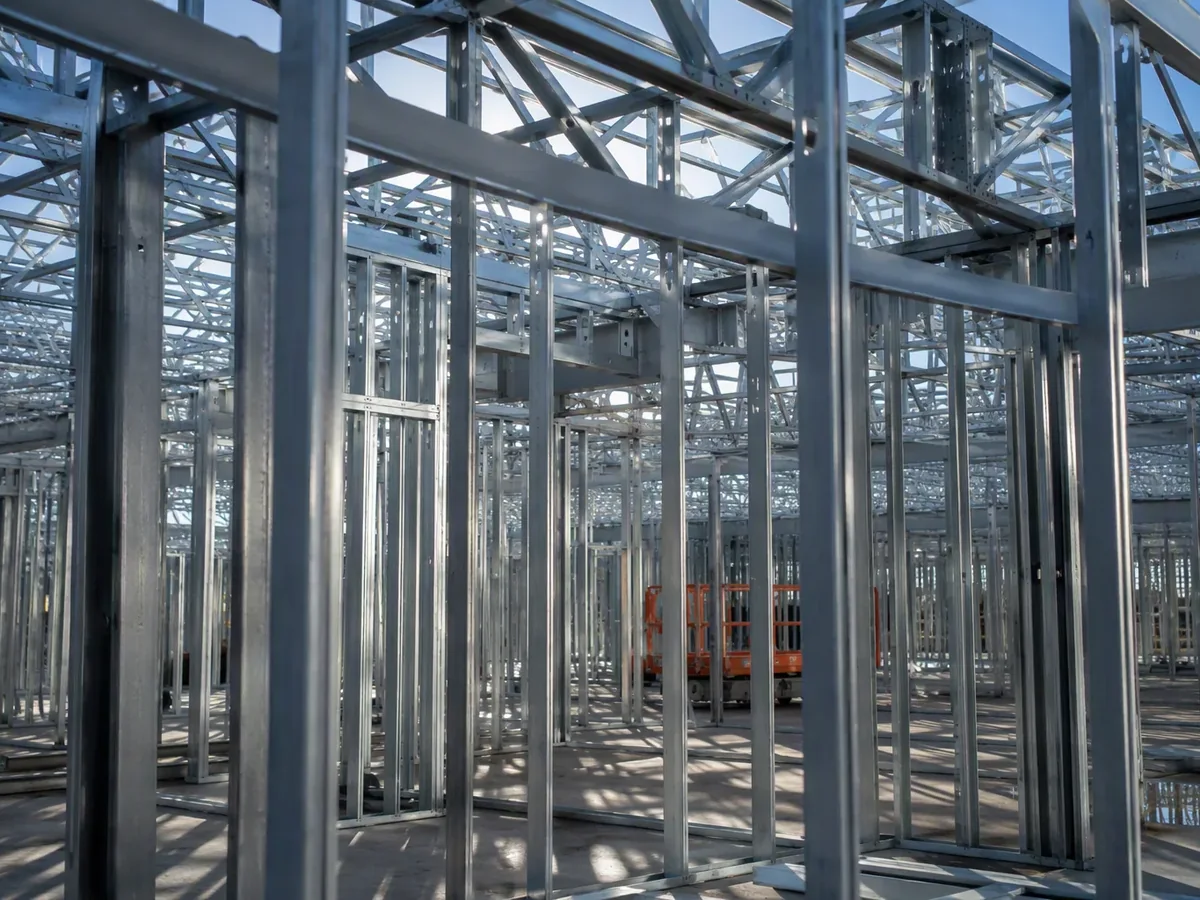
Light steel framing uses cold-formed steel sections as the structural skeleton of a building.
Unlike heavy structural steel, which requires welding or bolting of large H-beams, LSF assembles from thin, pre-punched sections that are bolted or screwed together on site.
The result is a frame that is lighter, more dimensionally consistent and faster to erect than timber, while being non-combustible, non-settling and resistant to moisture and pests.
The core sections are C-shaped studs, U-shaped tracks used as top and bottom plates, C or Z purlins for roof and floor beams, and sigma sections for longer spans.
All are produced by cold roll forming — the forming process does not heat the steel, which means the material retains its original mechanical properties and galvanised coating throughout manufacturing.
The Complete LSF Production System
A serious LSF producer typically runs multiple machines. The CZ purlin machine is the workhorse for structural beams and rafters, handling material from 1.5 to 3.0 mm and switching between C and Z profile using a servo-actuated flip mechanism in under 10 minutes. The stud and track machine handles the lighter framing members — typically 0.5–1.2 mm galvanised — at higher speeds, because partition studs are produced in far larger quantities than structural purlins. The sigma purlin machine adds the sigma section, which provides a higher moment of inertia for a given weight than a comparable C section, making it preferred for long-span roof systems and floor cassettes. Supporting these machines are inline hydraulic punches, decoilers sized for the coil weights used, and leveling units matched to the material thickness range. For the structural sections, a leveling unit is not optional — 2.5 mm galvanised steel with coil-set will produce studs that rock and purlins that camber, both of which add cost and delay on site.
CZ Purlin vs Stud and Track: Understanding the Difference
CZ purlins are structural cold-formed sections used as roof and floor beams and secondary structural members in portal frame buildings. They are typically 1.5–3.0 mm thick in grades G350–G550, and their connection holes are punched on a standard pitch that allows bolt connection to the primary steel frame. A CZ machine with servo quick-change can switch between C and Z on the same tooling in under 10 minutes.
Studs and tracks are lighter sections — typically 0.55–1.2 mm — used for partition walls, exterior wall framing in light steel housing, and non-structural infill panels. They are assembled with self-drilling screws, run at higher speeds (20–40 m/min), and are produced in far higher linear metre quantities per project than structural purlins.
Sigma Profiles and Long-Span Applications
The sigma profile has become increasingly popular as a substitute for standard C purlins in long-span industrial and agricultural buildings.
Its symmetrical double-flange geometry gives a higher second moment of area for the same steel weight, which translates directly into longer spans or lighter sections for the same span — a genuine structural advantage that customers can quantify from standard span tables.
Sigma machines are more complex to set up than CZ machines, but the premium the market pays for sigma sections typically justifies the additional capital cost.
Material Specification and Market Opportunity
Structural LSF sections are made from high-strength galvanised steel: G550 (550 MPa minimum yield) for structural purlins and sigma sections, G250–G350 for partition studs.
The galvanised coating is Z275 for internal and protected uses; AZ150 Galvalume for exposed or coastal applications.
The shift from timber to light steel in residential construction is a long-term structural trend driven by timber price volatility, building code tightening on combustibility, and the precision manufacturing advantages of factory-produced steel sections.
A CZ purlin line running one shift at 15 m/min average produces roughly 600–800 m of finished section per shift — enough to supply the structural framing for a medium-sized industrial shed or several residential floor systems.
Machines for This Application
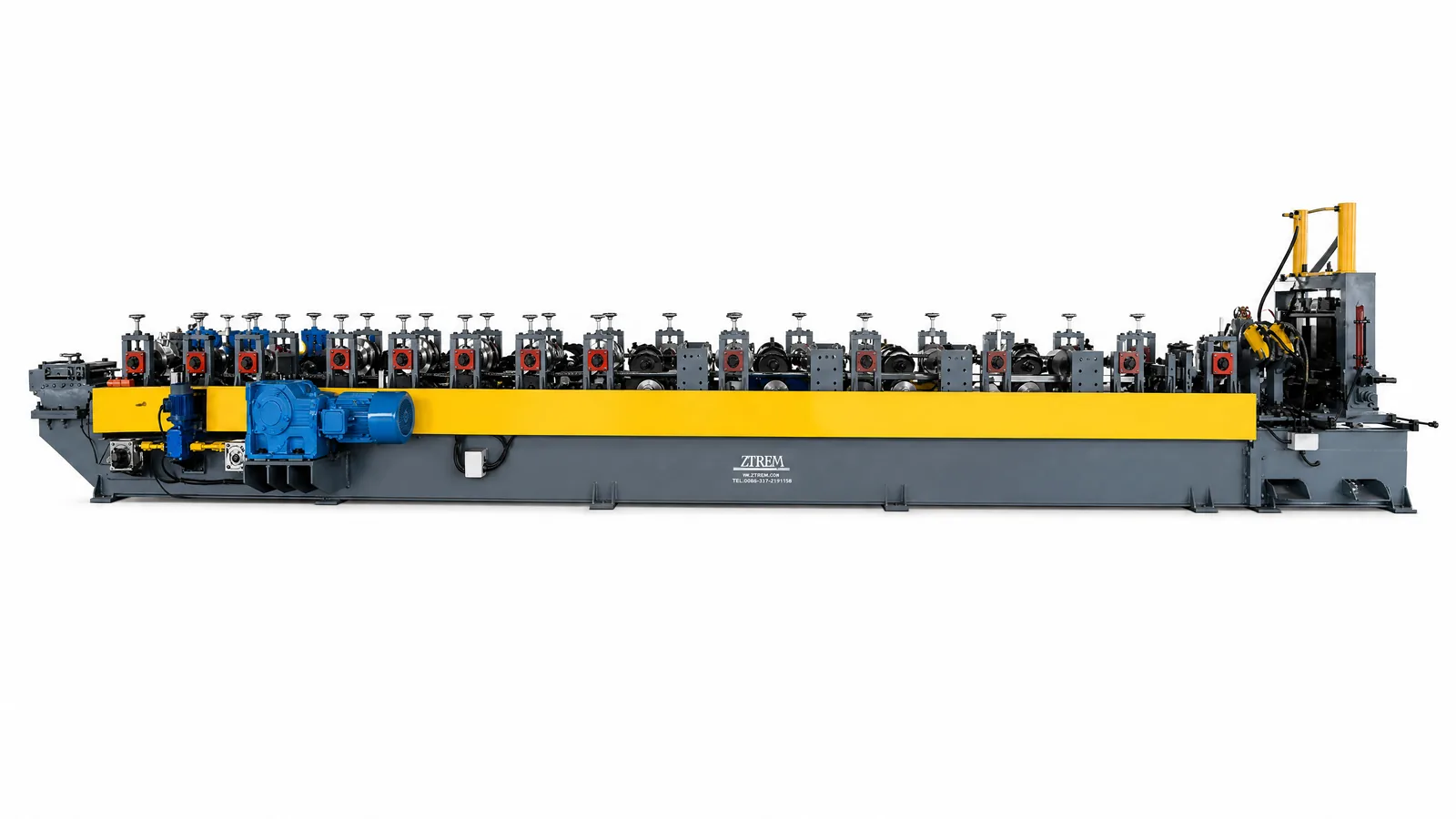
CZ Purlin Roll Forming Machine
C and Z profiles, 1.5–3.0 mm, servo quick-change
View specs & pricing →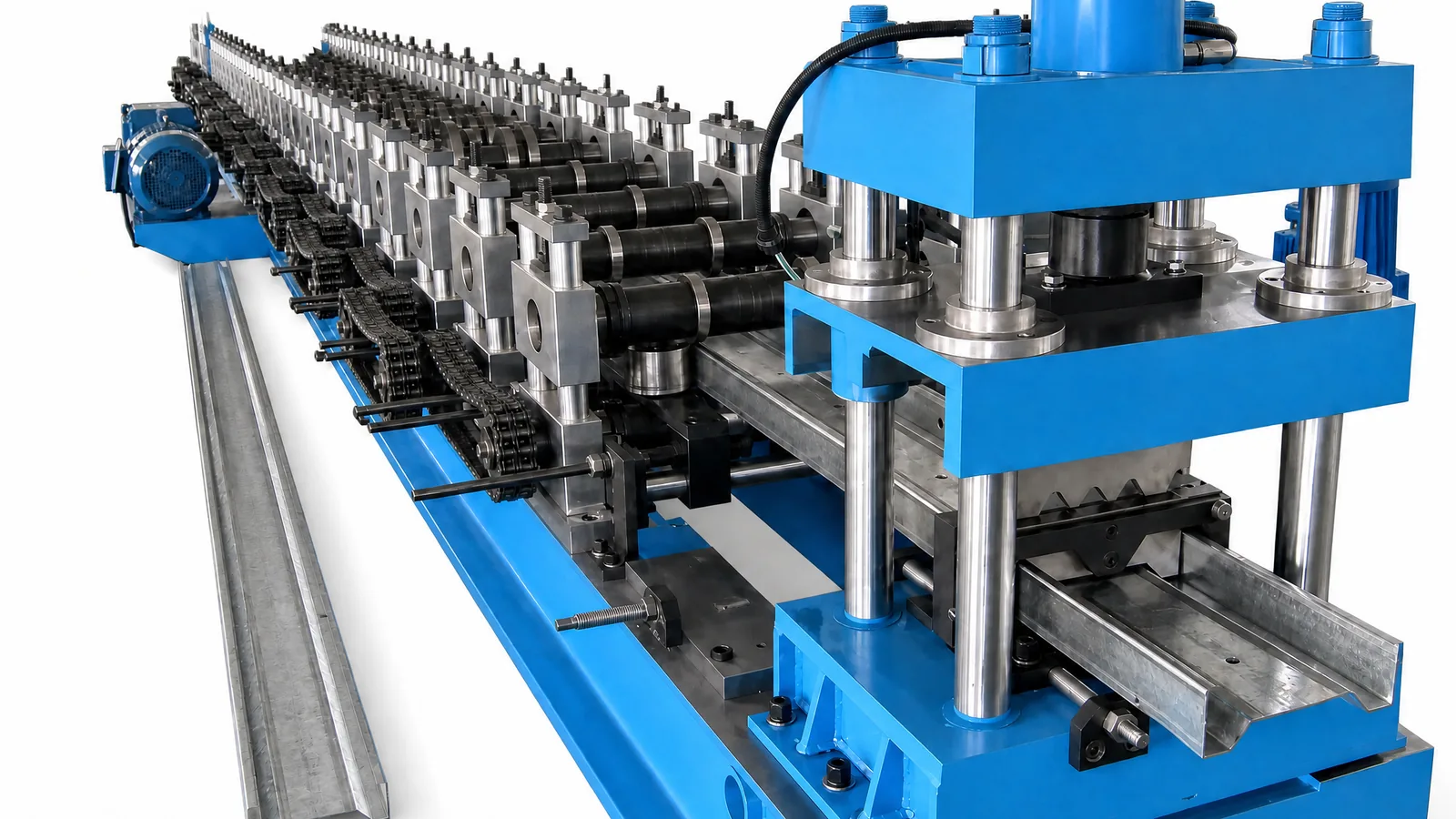
Sigma Purlin Roll Forming Machine
Sigma (Σ) section, superior load-to-weight ratio
View specs & pricing →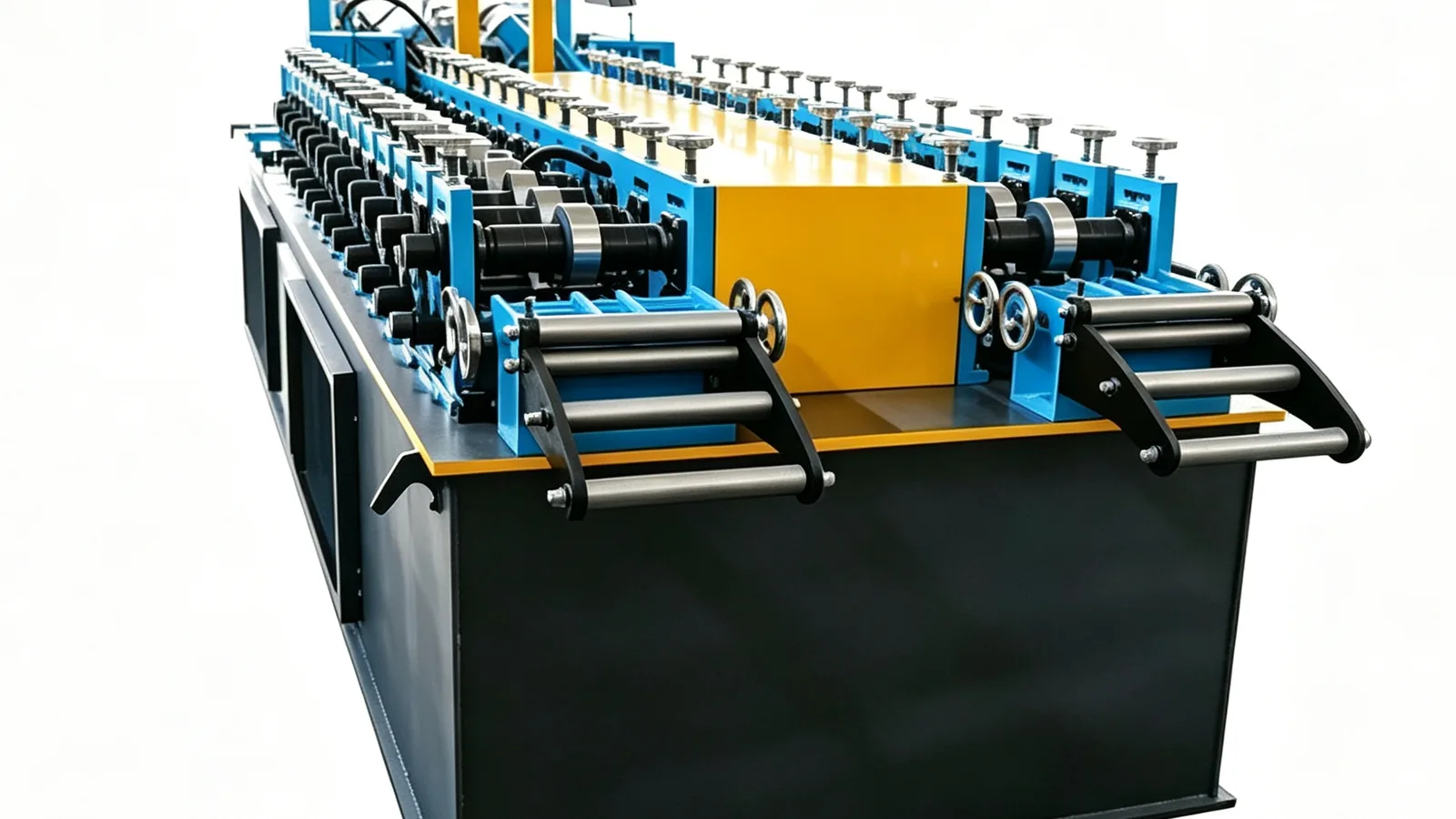
Light Gauge Steel Framing Machine
C/U profiles for prefab wall, floor and roof systems
View specs & pricing →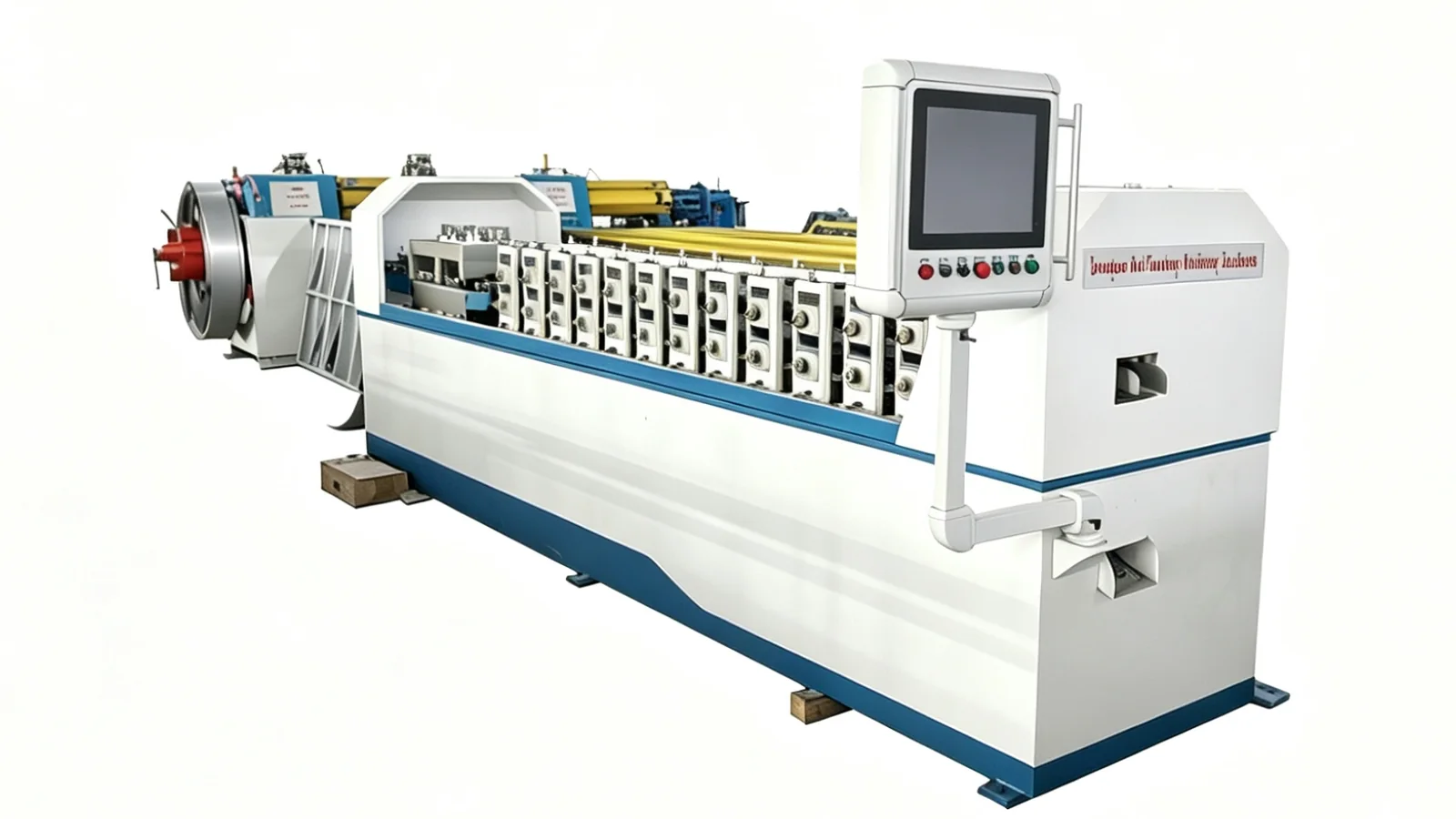
Stud & Track Roll Forming Machine
Steel stud and runner for light partition walls
View specs & pricing →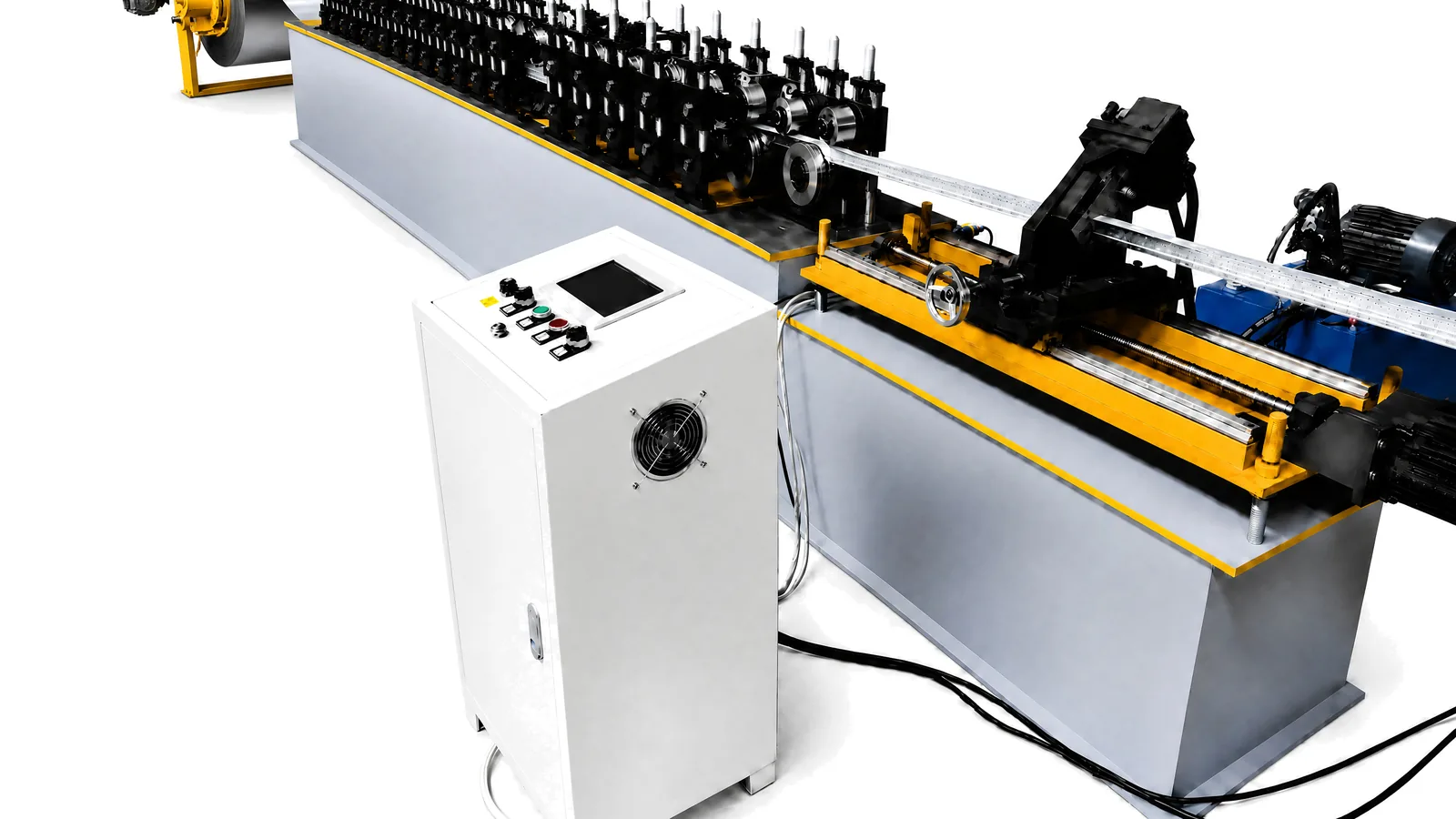
Ceiling T-Bar Roll Forming Machine
T-bar grid for suspended ceilings
View specs & pricing →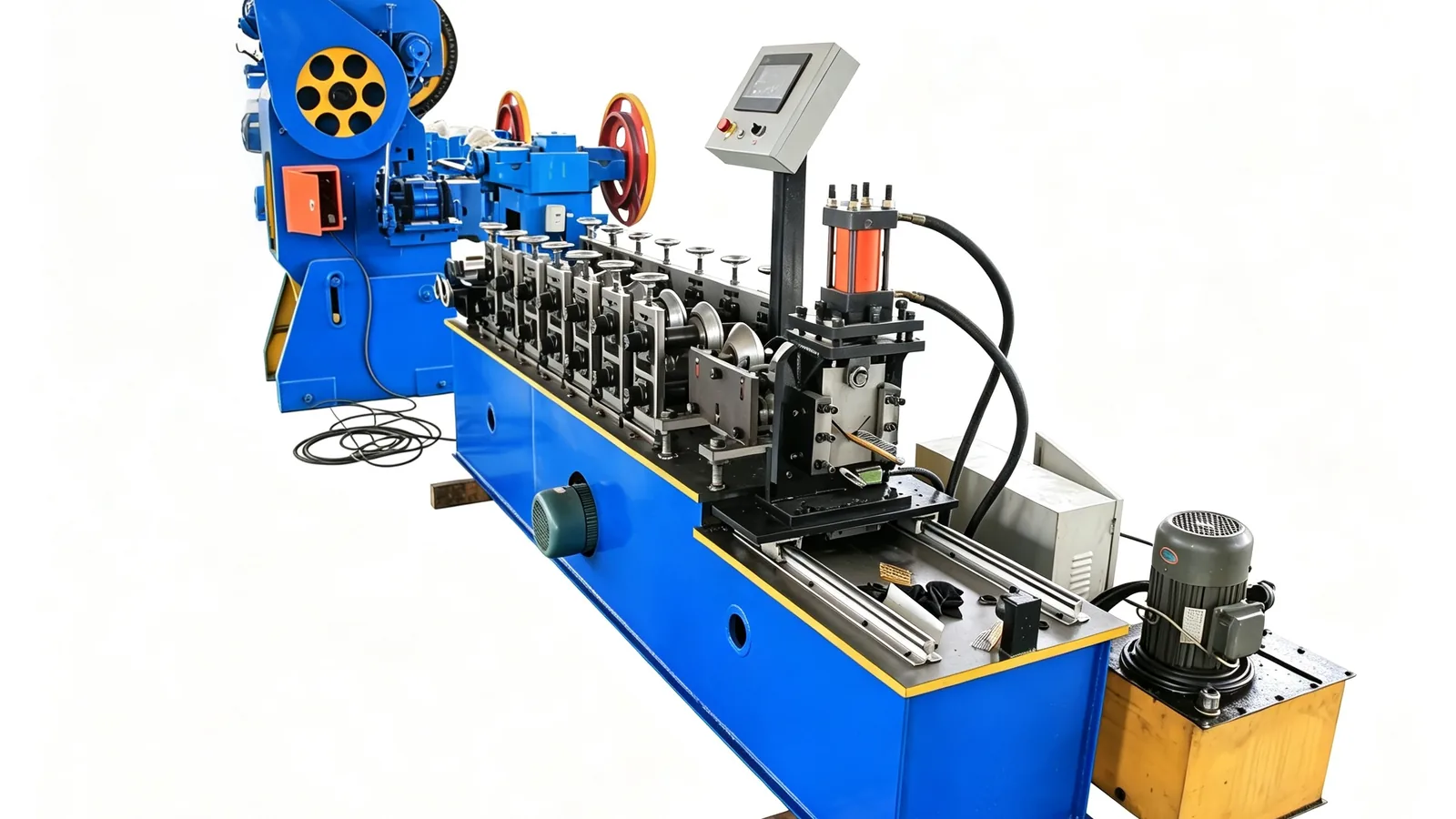
Wall Angle Bead Roll Forming Machine
Corner bead and wall angle for drywall finishing
View specs & pricing →Typical Production Line Setup
| Component | Role | Necessity |
|---|---|---|
| Hydraulic decoiler | Uncoils steel coil | Must-have |
| Leveling unit | Flattens coil set | Standard inclusion |
| CZ purlin machine | Structural beams and rafters | Must-have |
| Stud & track machine | Wall framing members | Standard for full LSF |
| Sigma purlin machine | Long-span structural members | For wide-span projects |
| Inline hydraulic punch | Connection holes and slots | Integrated in purlin machine |