A Brazilian end user placed a single order for three roll forming machines in December 2024: a PU composite panel forming machine, a glazed tile forming machine and a TR35 single-board forming machine. The three units were specified together, from one factory, on one delivery schedule.
They compared suppliers first, then came to see the line
The buyer researched forming machine suppliers before shortlisting, and the deciding step was an on-site inspection rather than a quotation. On the factory visit they looked at the workshop layout, the machining equipment used to produce the forming rolls, and the quality control steps between stations.
Their feedback was specific: they had expected Chinese roll forming equipment to be a low-cost option, and what changed their assessment was seeing the roll sets being machined in-house and the assembly tolerances checked before shipment. That is a conversation we have often with buyers who come from markets where the local supply of these profiles is either limited or expensive.
Why these three machines
The three machines serve different product lines for the same customer, which is why they were ordered together rather than as a single line:
- PU composite panel forming machine — for sandwich panels with polyurethane core. The requirement was consistent panel quality at production speed, with a uniform surface finish. The line runs continuously rather than in batches, so stability of the forming stations matters more than peak speed.
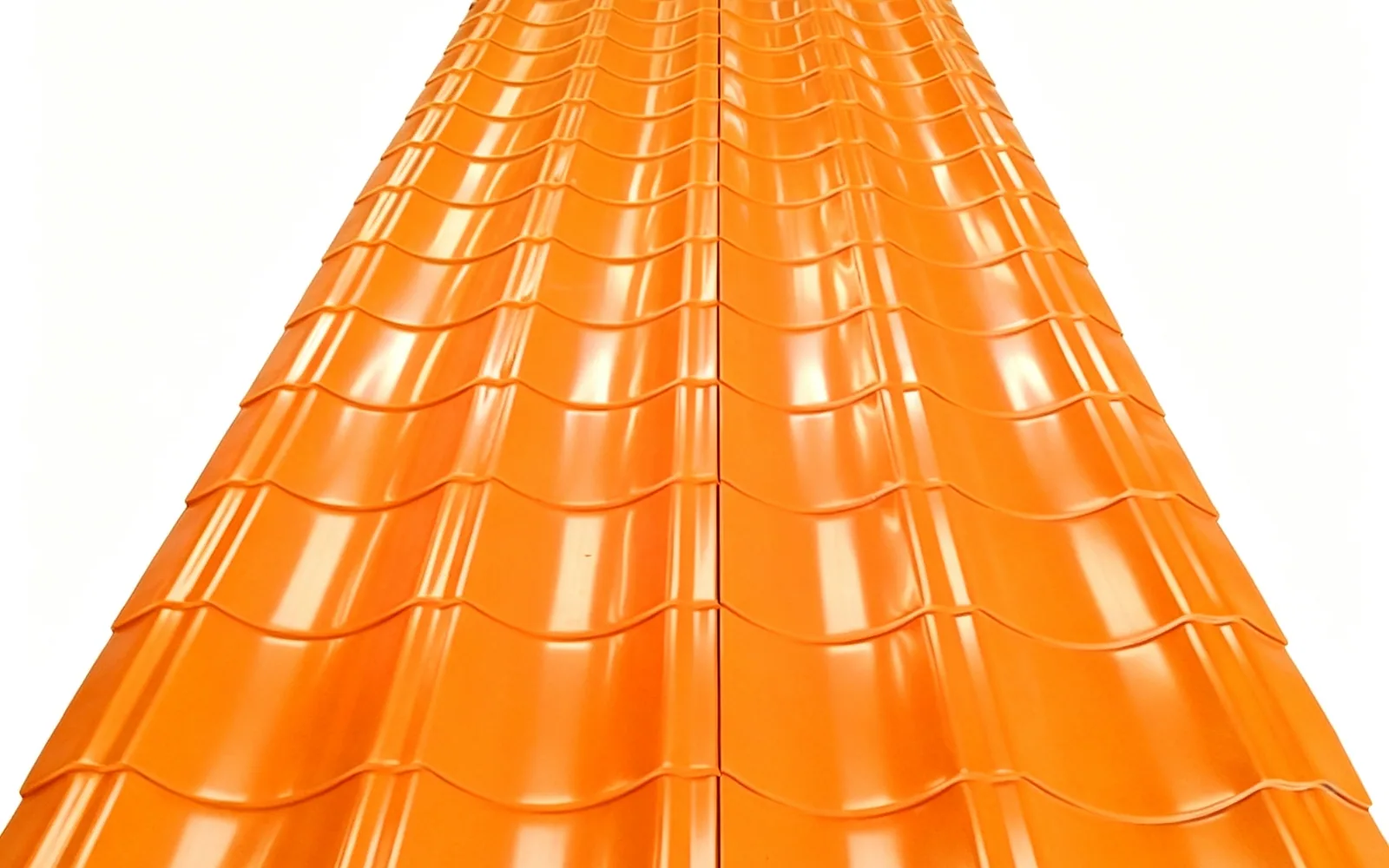
- Glazed tile forming machine — for a metal tile profile sold into the residential roofing market. The buyer's criterion was dimensional accuracy of the finished profile, because the tile has to interlock with accessories from other suppliers.
- TR35 single-board forming machine — a lighter, more compact machine for smaller batch runs, giving the customer flexibility on profiles that do not justify a full dedicated line.
What the buyer was actually worried about
The stated concern was not price. It was whether the equipment could keep running — they had been looking for a supplier able to support a production line over years, not just deliver it.
That is what the in-person inspection addressed: seeing the machines under power, checking the electrical cabinet and the control system, and meeting the engineers who would be responsible for commissioning and after-sales support. For a buyer expanding into a new product line, the serviceability of the machine is part of the product.
What happens next
Commissioning and after-sales terms were agreed as part of the order, including technical support for the initial production runs. The customer has indicated they intend to extend the cooperation as their market develops.
For buyers considering a similar mix of machines, the practical point is that a composite panel line, a tile machine and a compact single-board machine can be specified together and shipped on one schedule — but the profile drawings and the target thickness range need to be fixed before the roll sets are cut, not after.